×


 →☰
→☰

Zoological Park
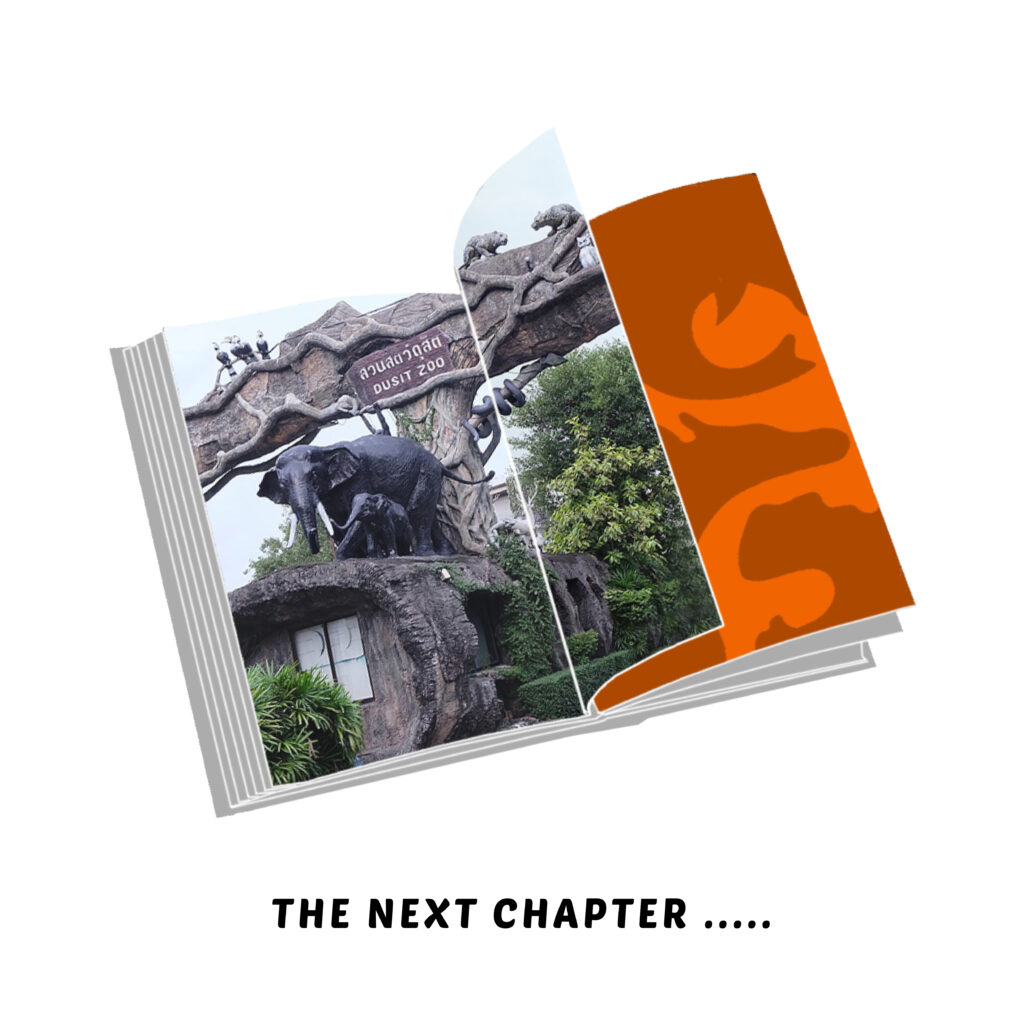
In the modern day, urban zoo such as Dusit Zoo is often perceived negatively due to its location in a crowded dense city. The place has limited space for animals, leading to concerns about cramped conditions, noise, and pollution from the surrounding urban setting. Animals are kept in captivity and put on display for people’s entertainment. With the next chapter of Dusit Zoo, the location will be moved to a suburban area of Rangsit, providing larger natural habitats for animals to roam.
Shifting its purposes towards environmental education and animal research for the public, the new zoological park intends to redefine its roles by balancing entertainment with animal welfare and environmental care. The project is designated not only to be a vacation destination but also a habitat and a sustainable development model.
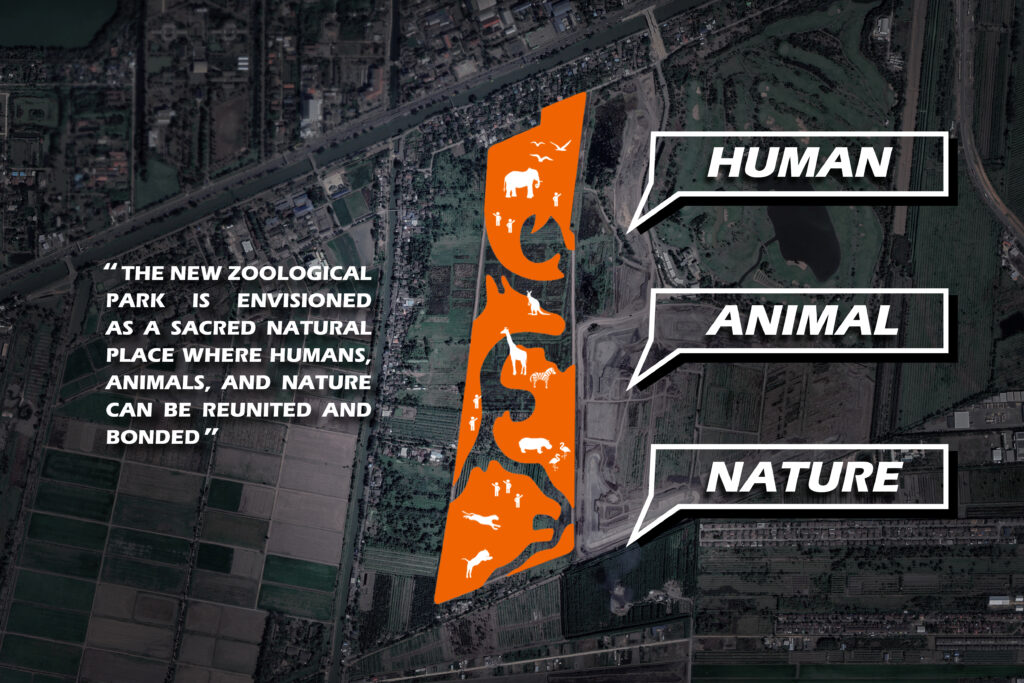
As the world is undergoing the largest wave of urban growth in history. The new zoological park is idealized to represent a sacred natural place where human animal and nature can be reunited, harmonizing the well-being of all lives within a supportive ecosystem and solidifying the bonds through interaction among others. The notion is implemented via master planning and landscape design of three design concepts.
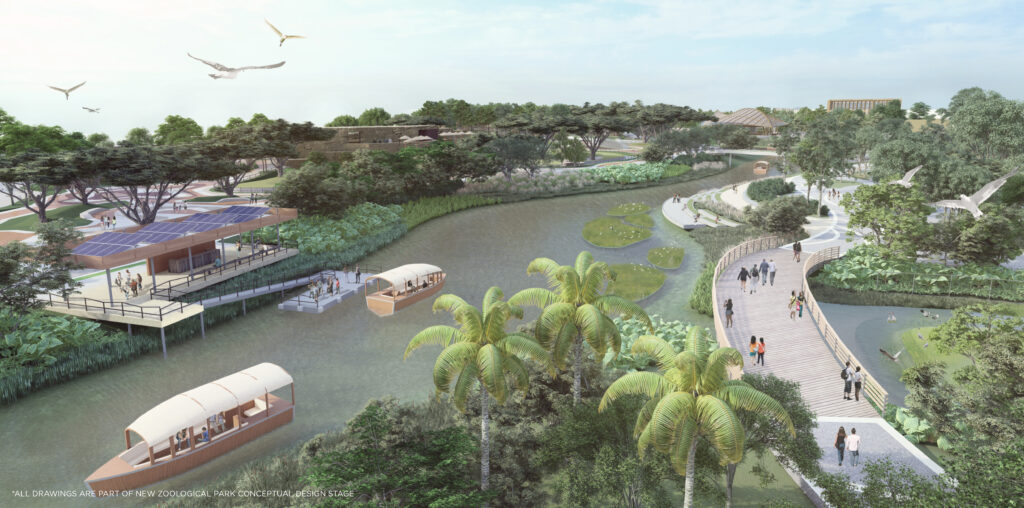
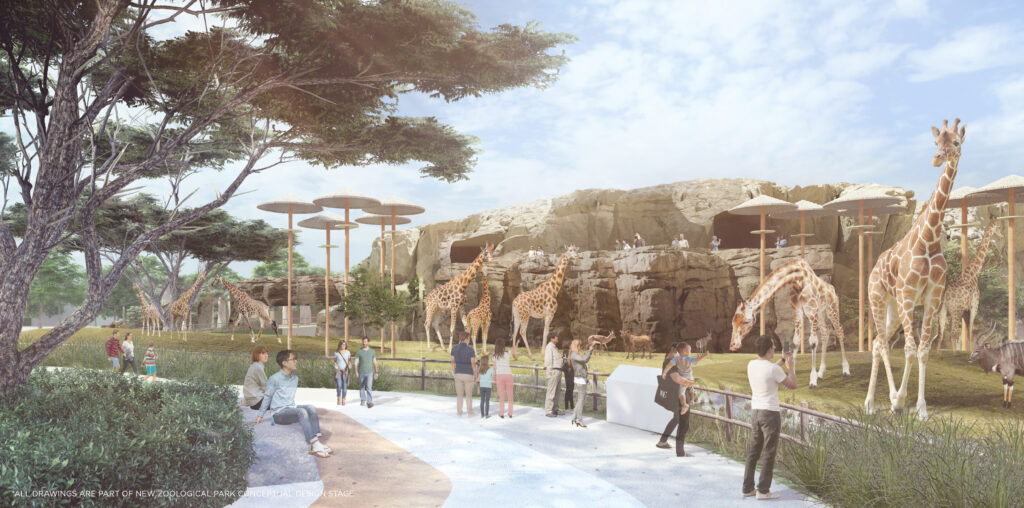
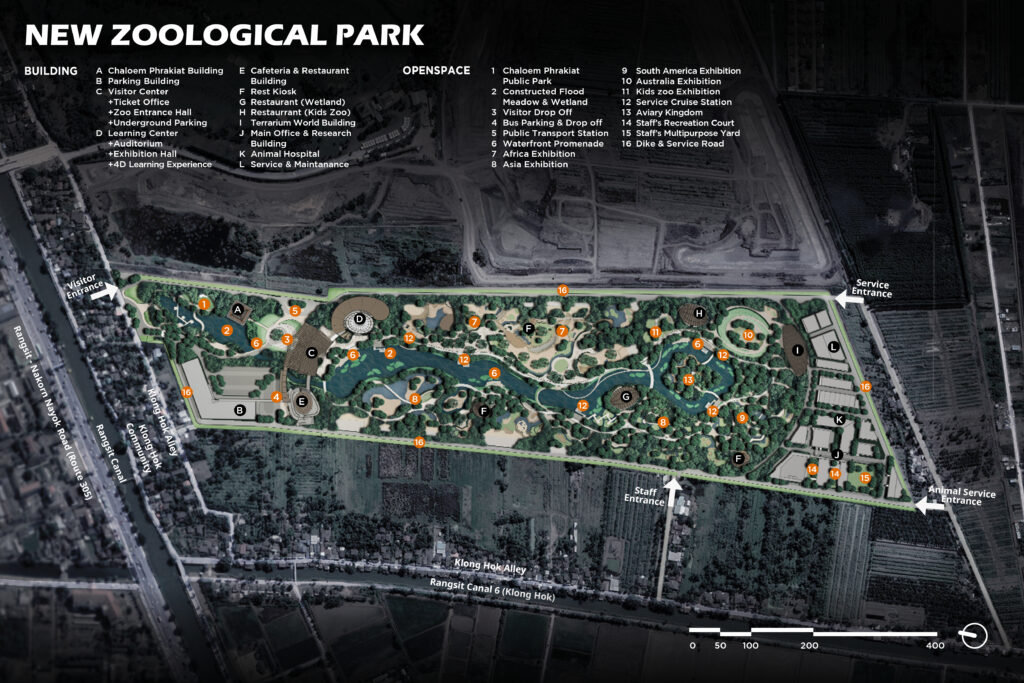
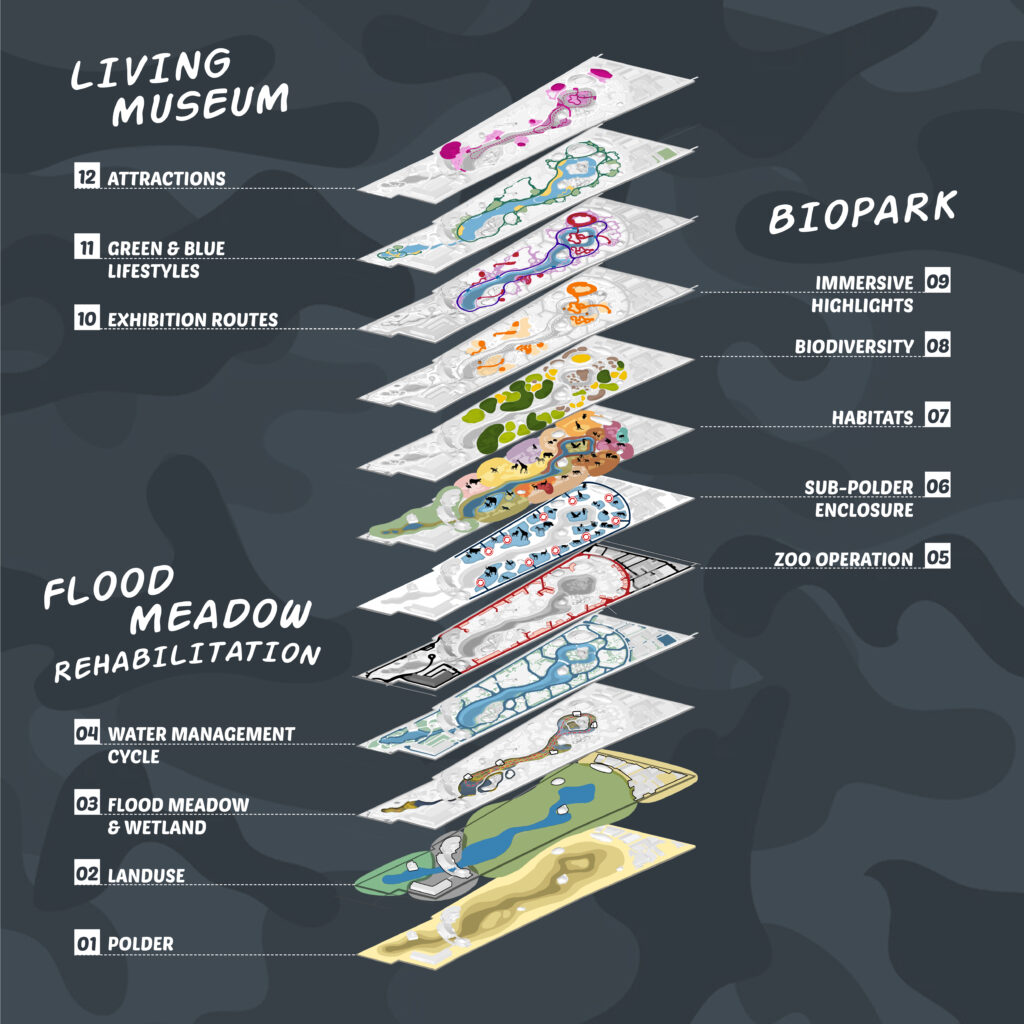
The new zoological park is envisioned as a sacred natural place where humans, animals, and nature can be reunited, harmonizing the well-being of all lives within a supportive ecosystem, and strengthening bonds through interaction. This notion is implemented via master planning and landscape design, incorporating three design concepts of Flood Meadow Rehabilitation, Biopark and Living Museum.
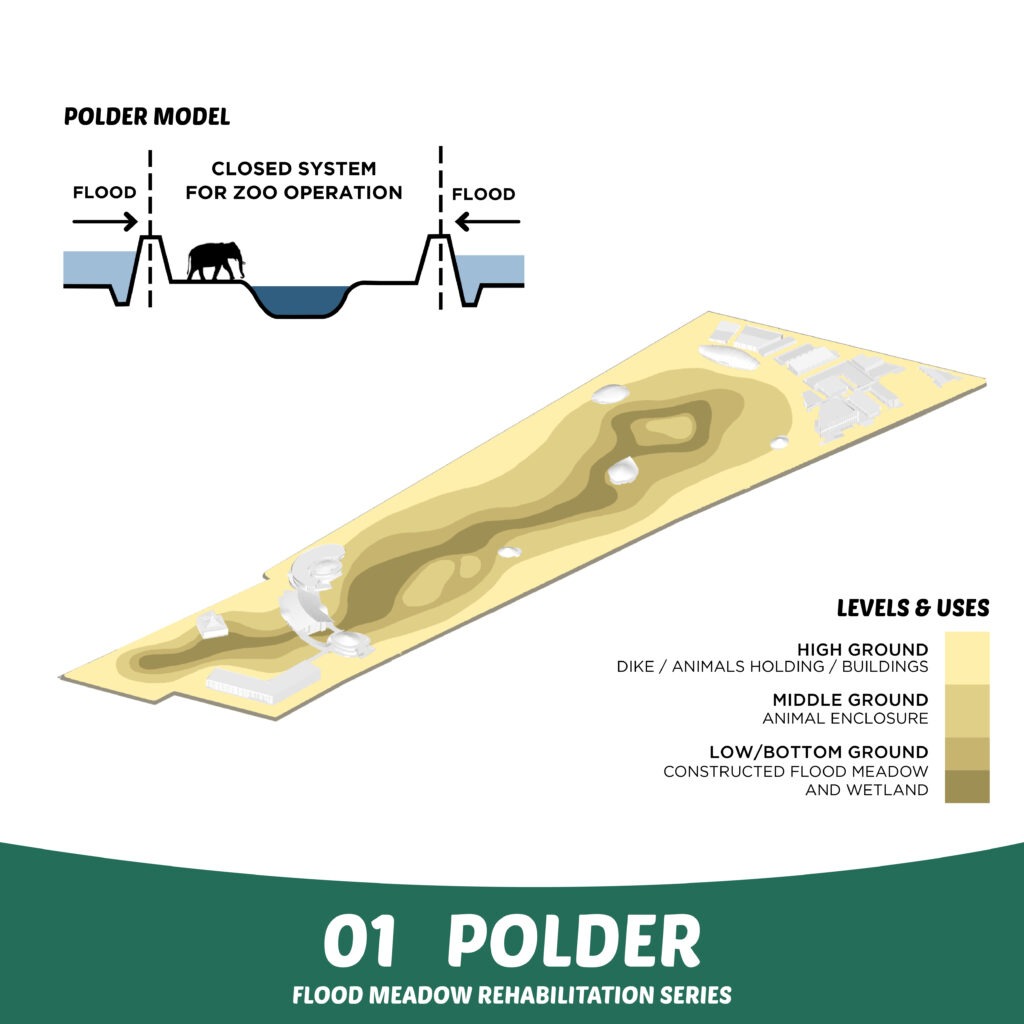
- Flood Meadow Rehabilitation -
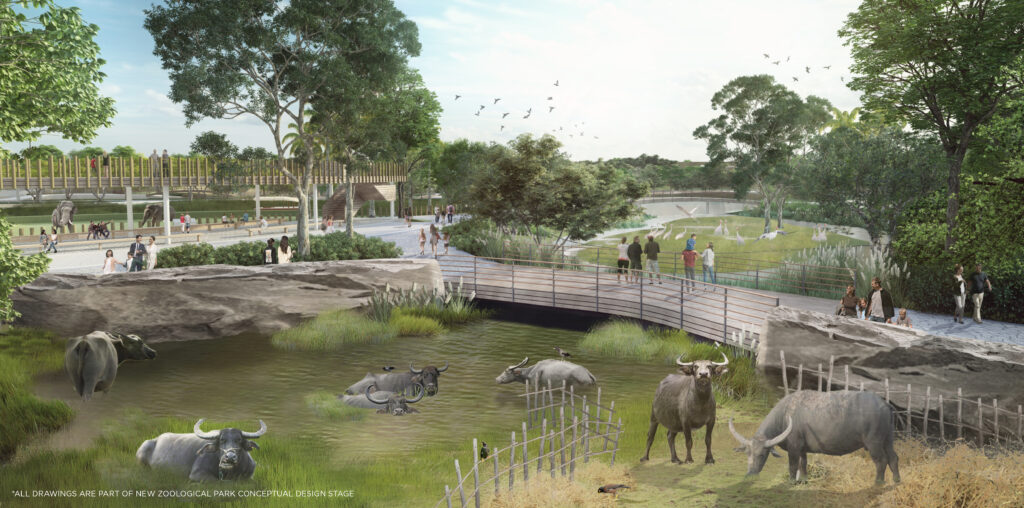
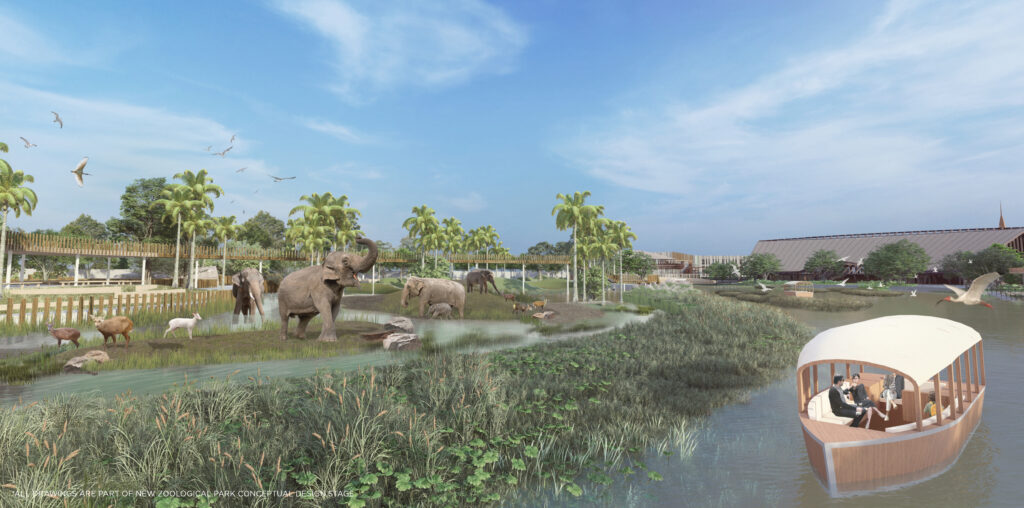
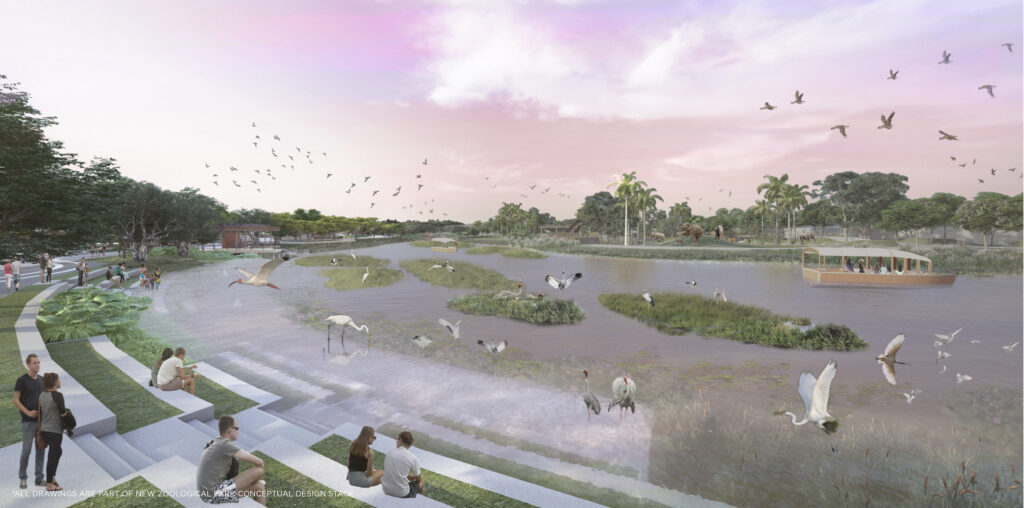
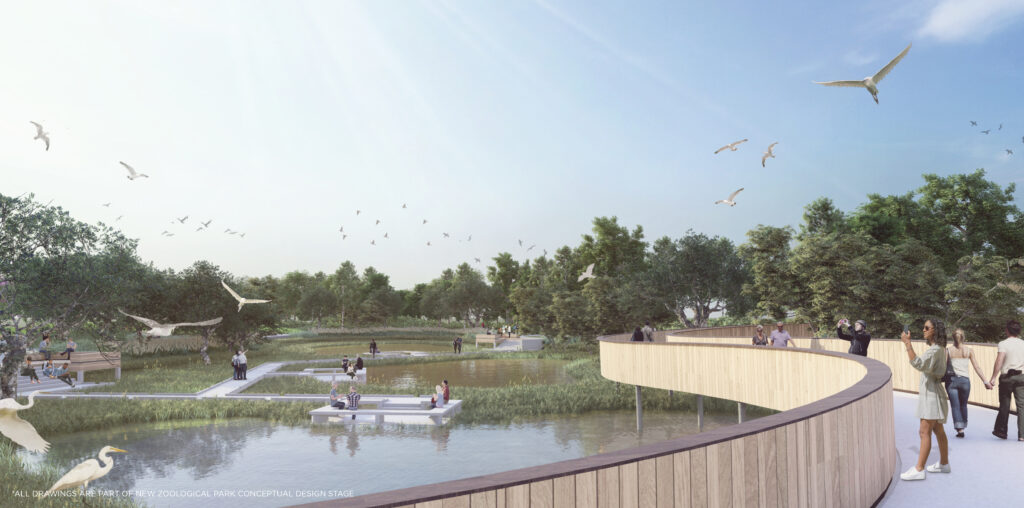
revives and promotes the natural landscape of Rangsit flood meadow as a highlighted characteristic of the new zoo. It encourages biodiversity among local and exhibited ecosystems, together with recreational activities along the central wetland landscape
revives and promotes the natural landscape of Rangsit flood meadow as a highlighted characteristic of the new zoo. It encourages biodiversity among local and exhibited ecosystems, together with recreational activities along the central wetland landscape
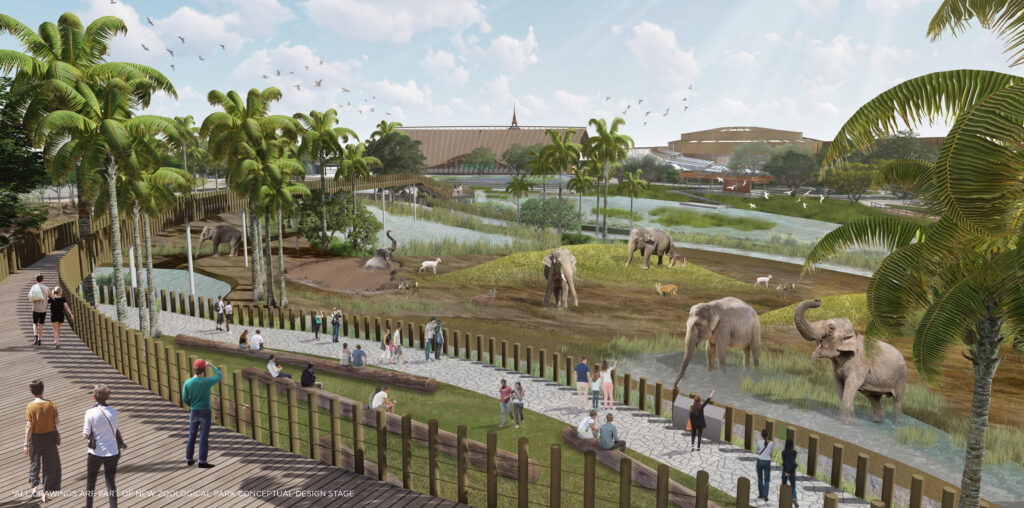
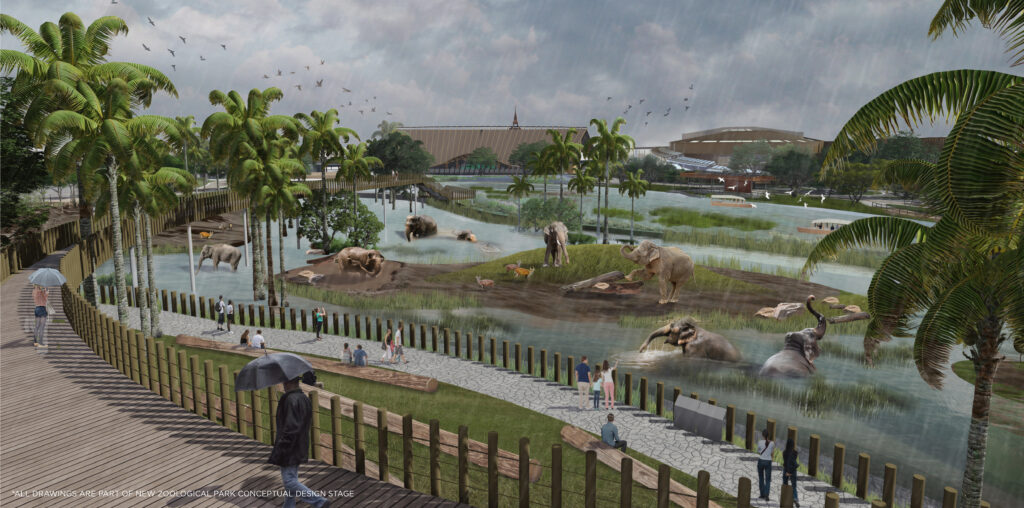
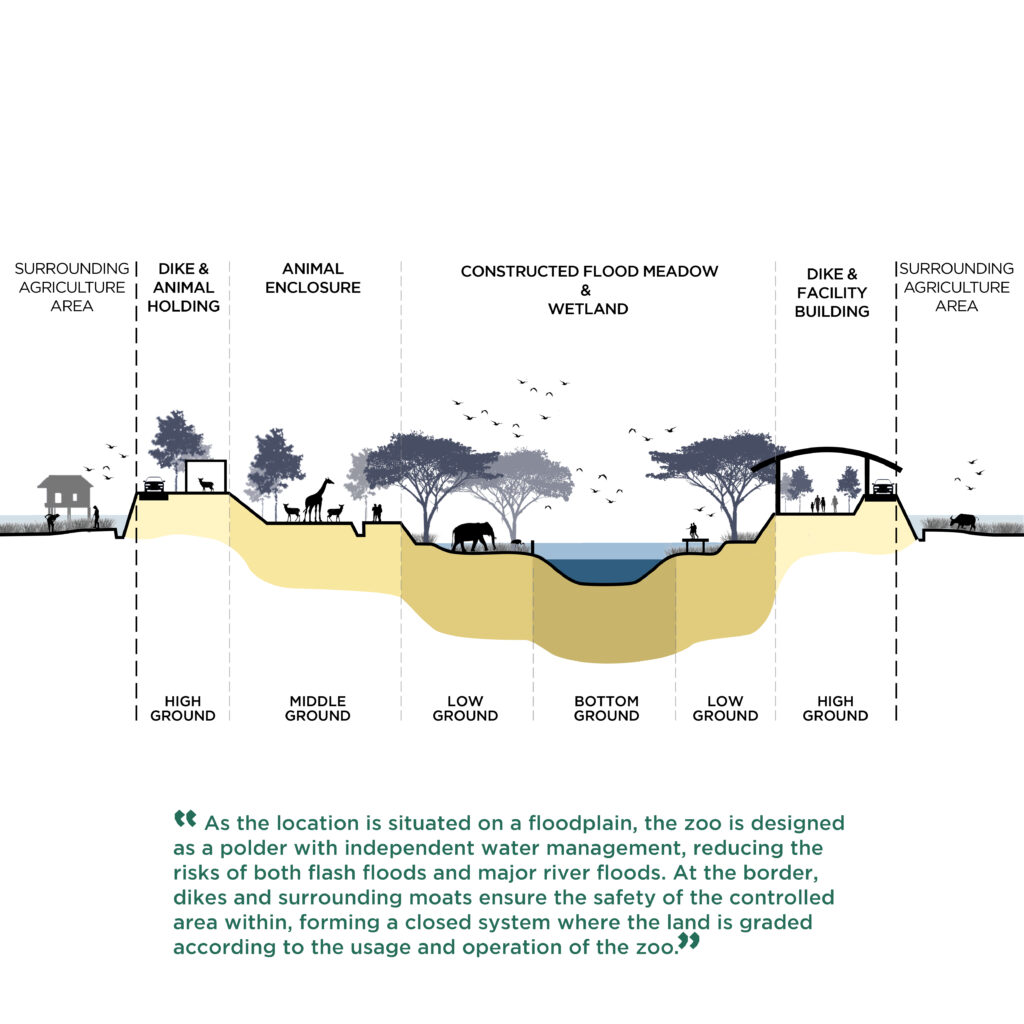
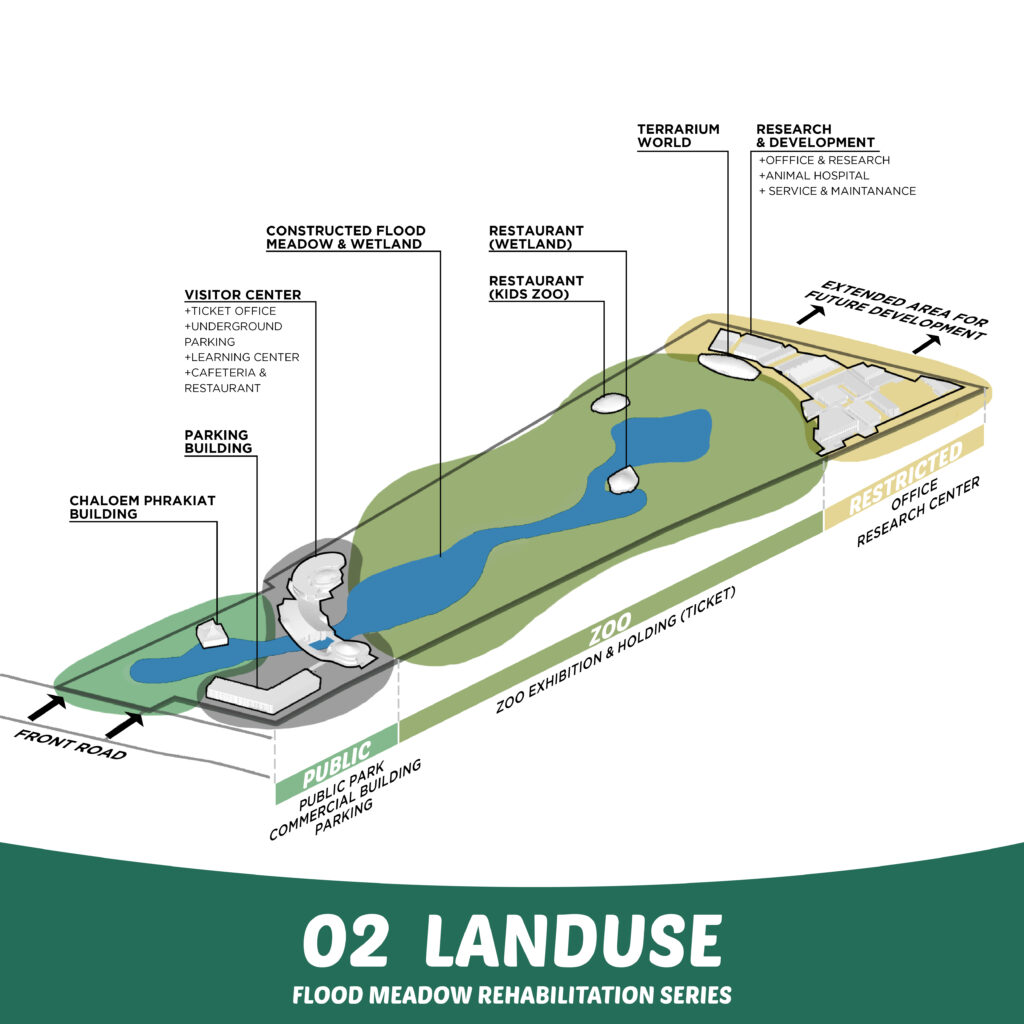
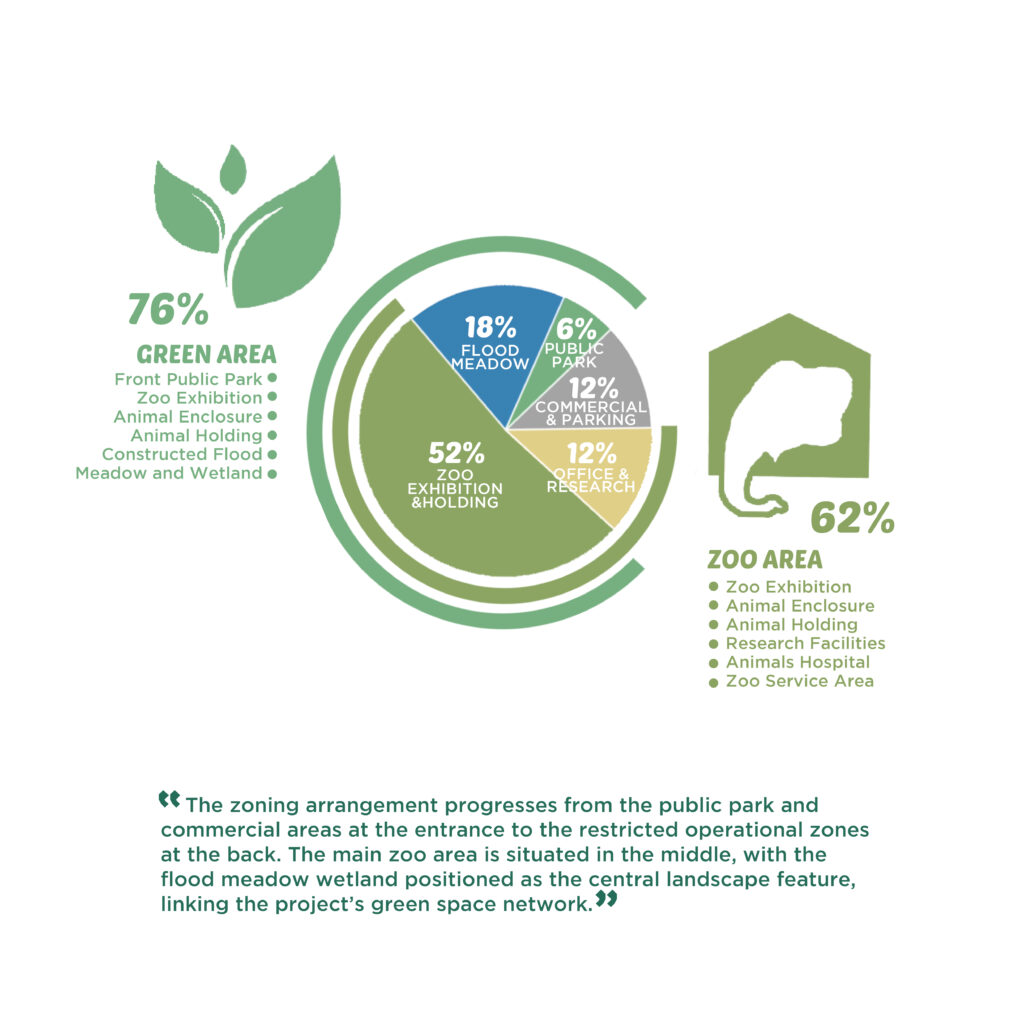
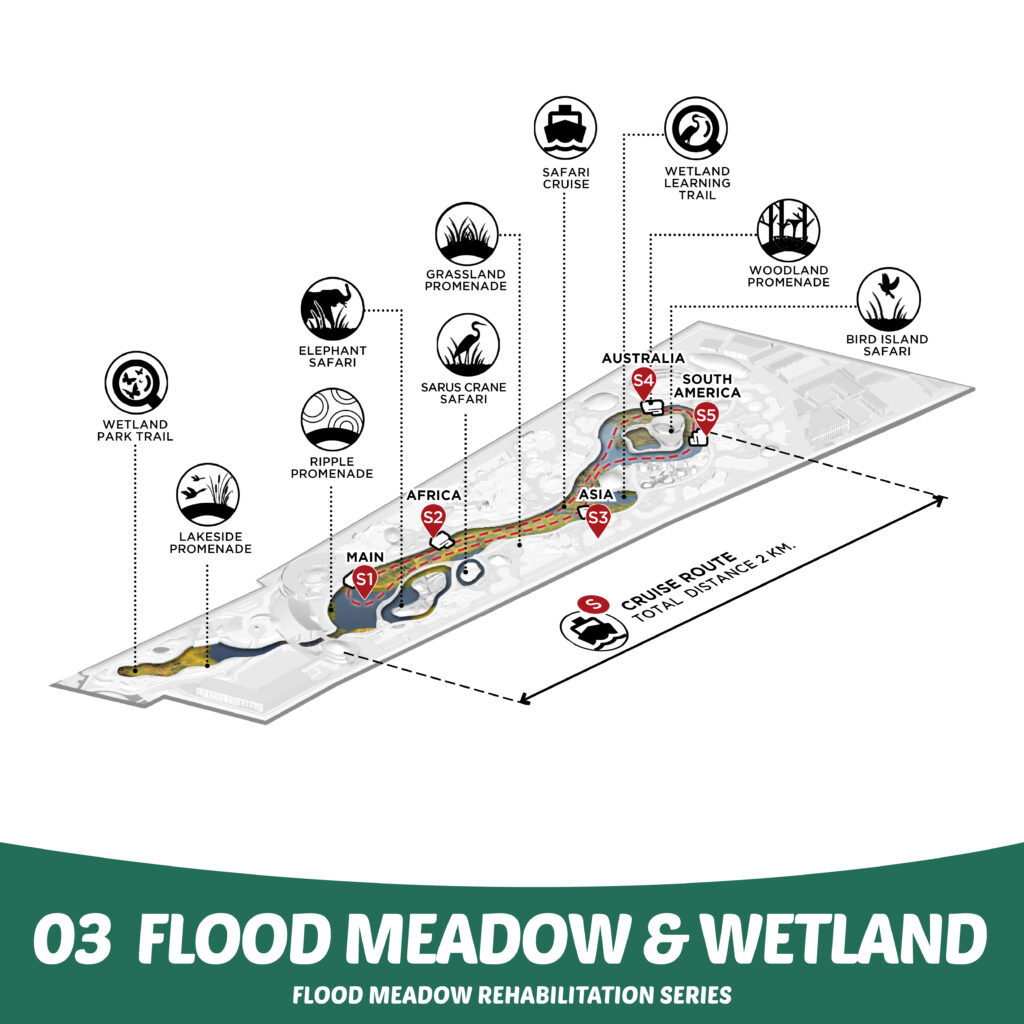
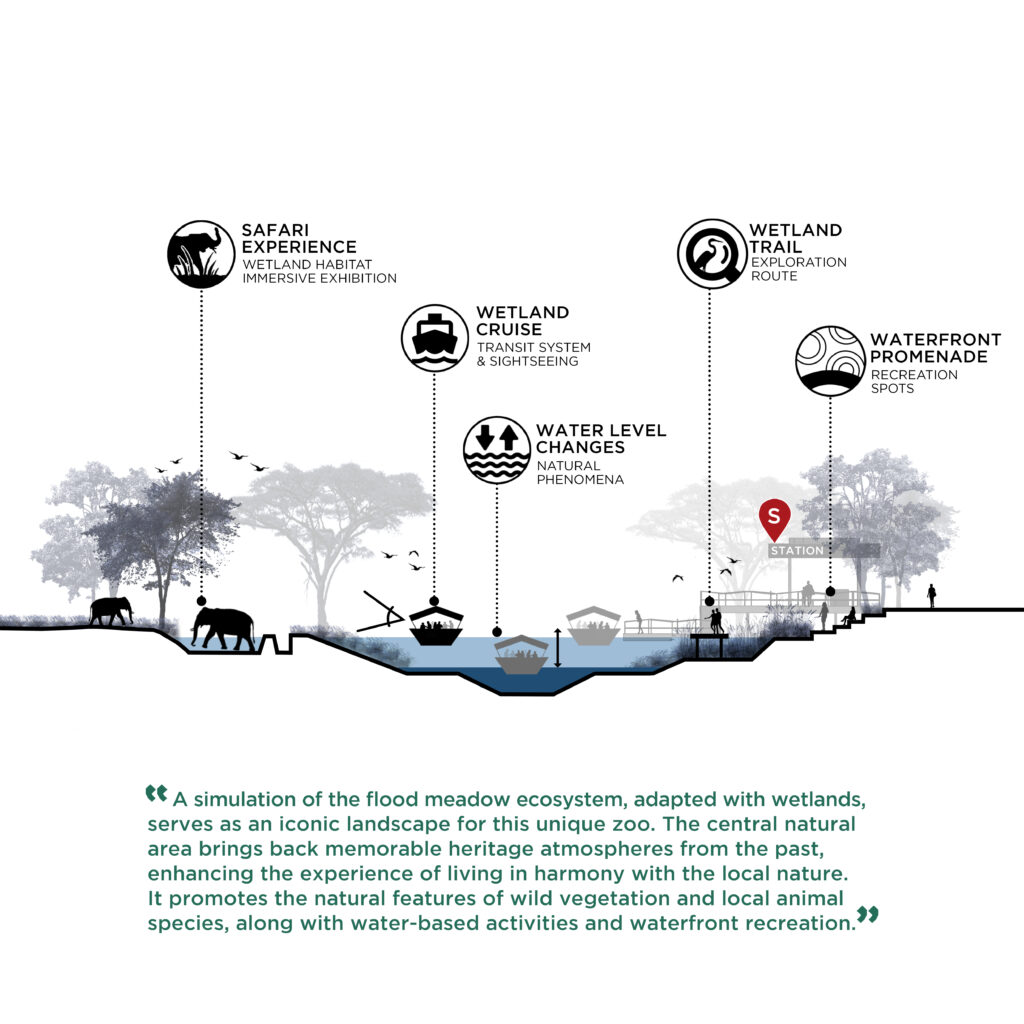
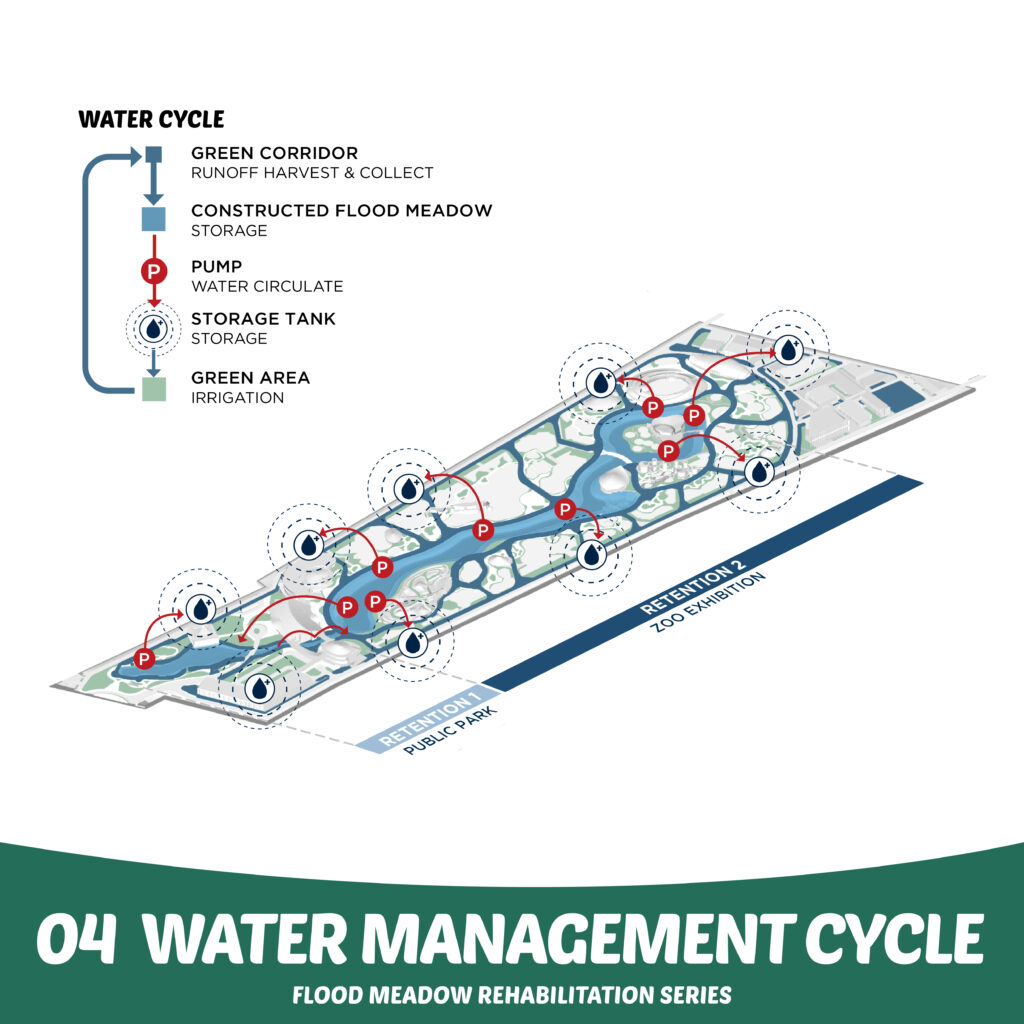
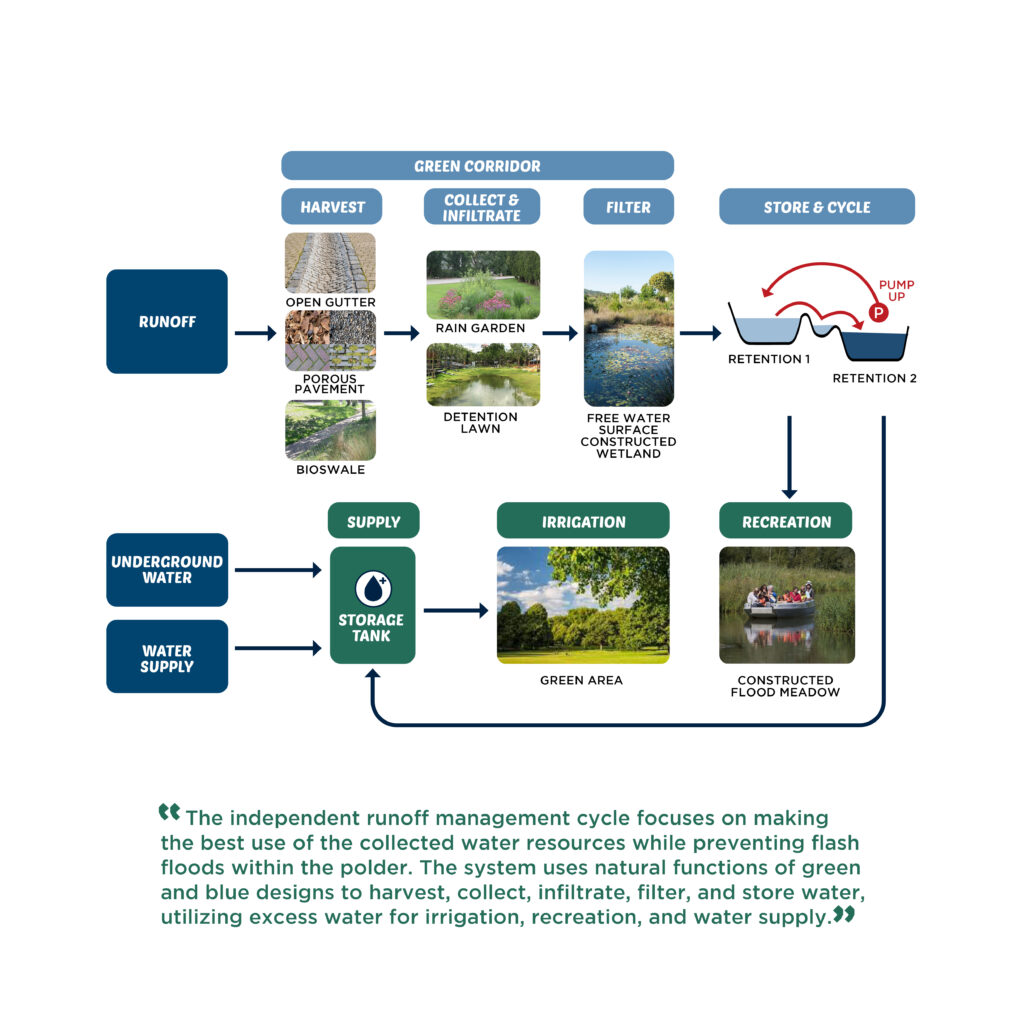
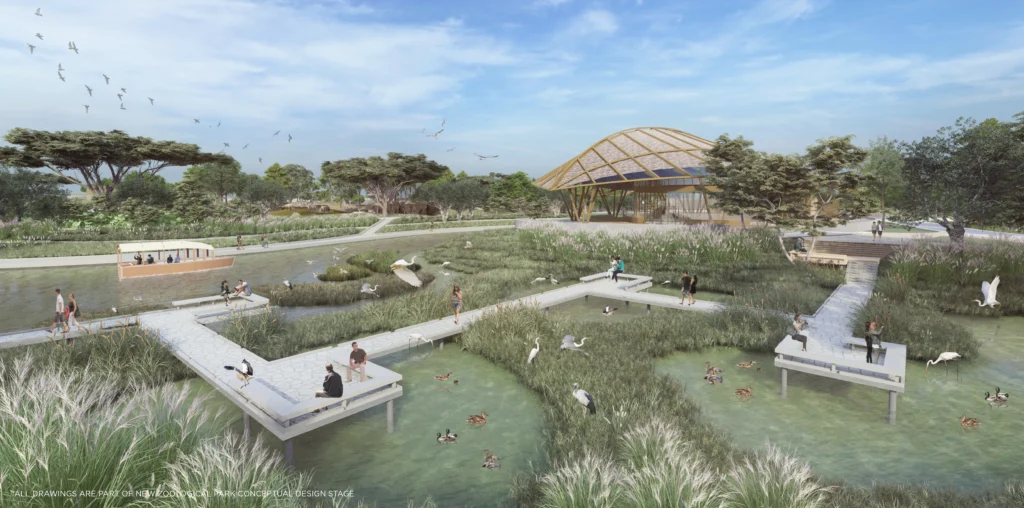
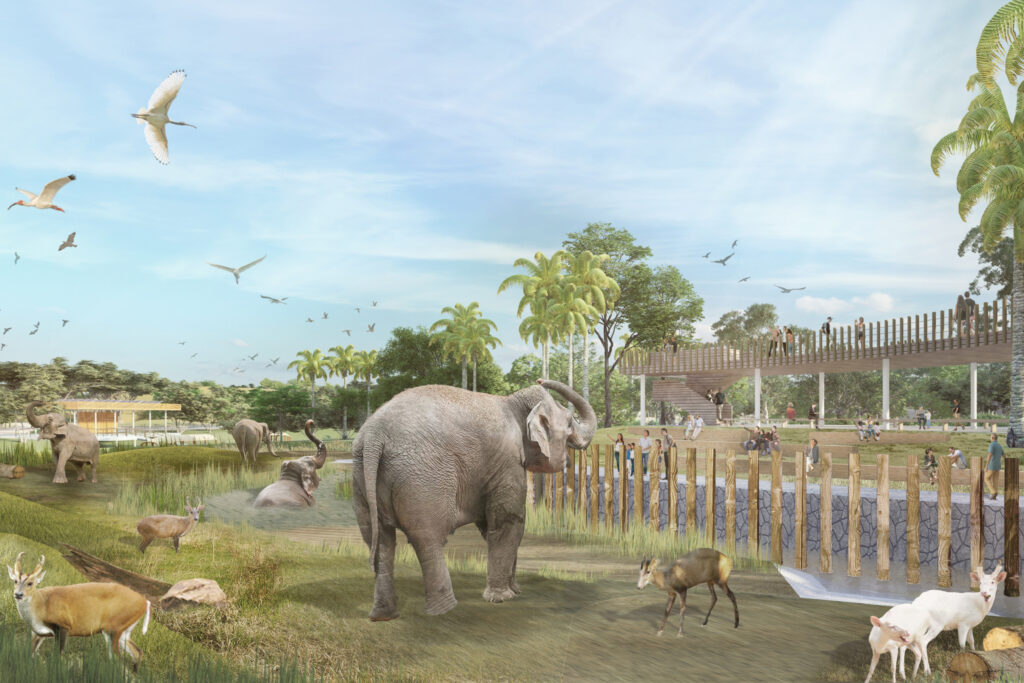
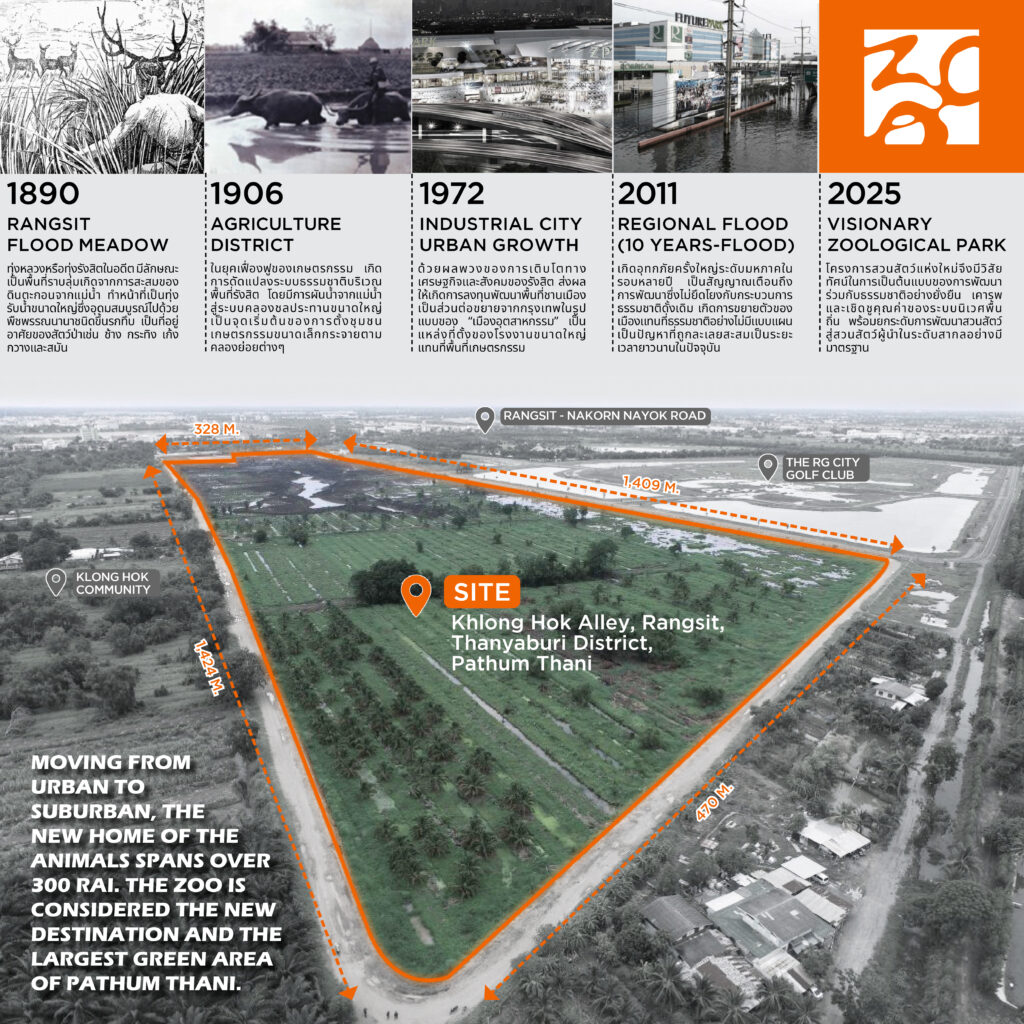
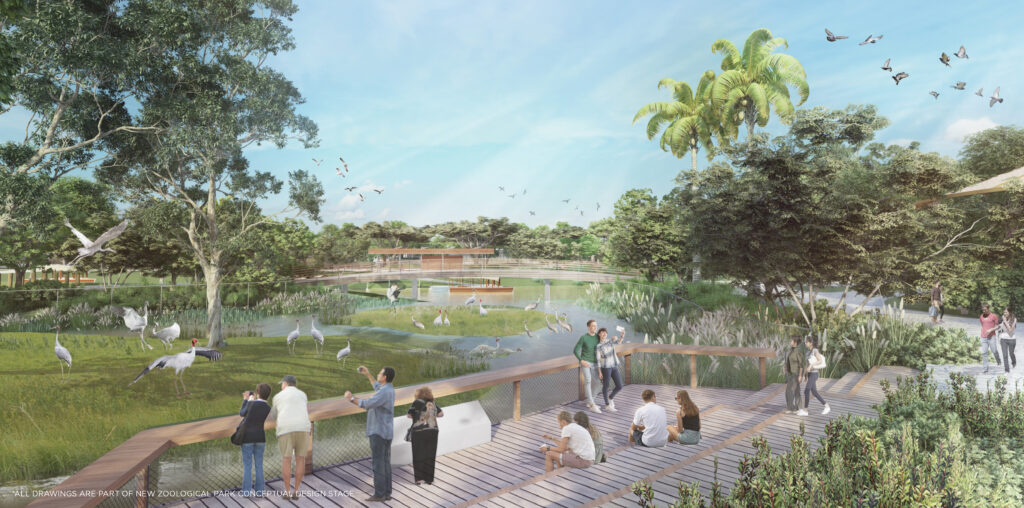
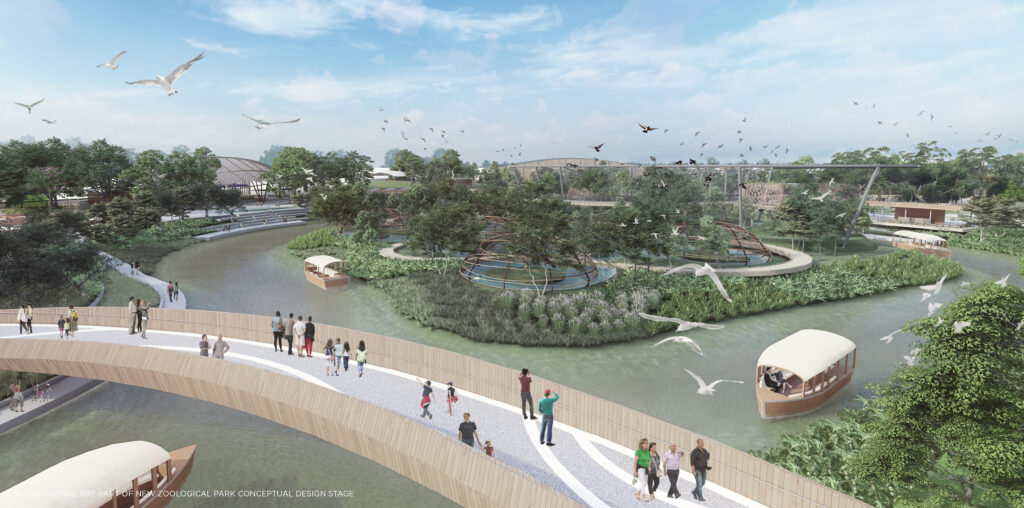
The original natural state of the project area was a floodplain called the “flood meadow” ecosystem, historically known as “Thung Rangsit,” covering over 1.5 million rai. The landscape was shaped by sediment accumulation from river processes, forming shallow basins with scattered marshes and wetlands. This natural area served as a large water catchment during the flood season and was once home to various wildlife, particularly the native Schomburgk’s deer, the symbol of the Thai Zoological Park Organization. Thung Rangsit represented the rich and fertile biodiversity of the original habitat before human interference, which led to the gradual loss of the flood meadow ecosystem.
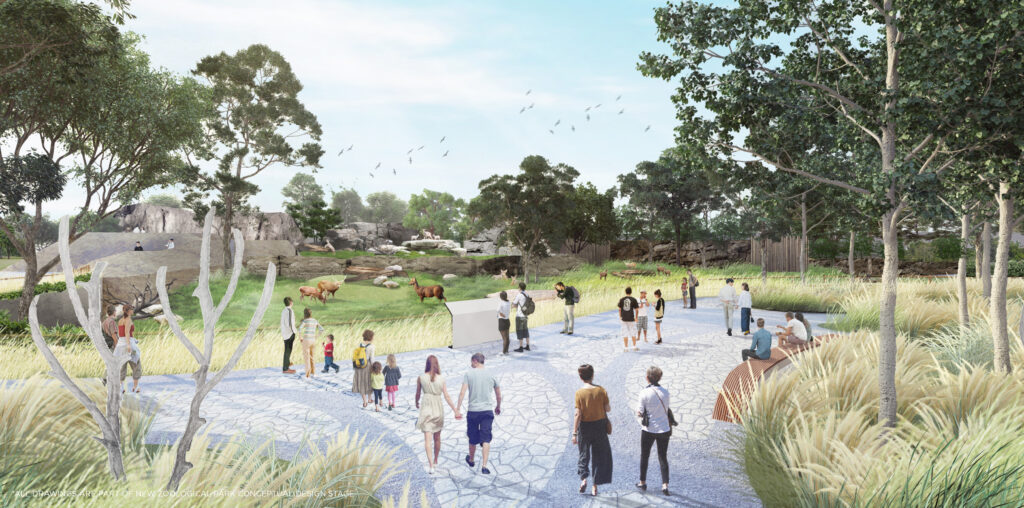
The new zoological park aims to promote and celebrate this natural heritage with the concept of “Flood Meadow Rehabilitation,” reviving the iconic landscape as a distinctive environmental highlight of the zoo. The artificial flood meadow ecosystem is simulated, projecting an atmosphere and memory of the past local context, and adapted appropriately and safely to support zoo operations.
- Biopark -
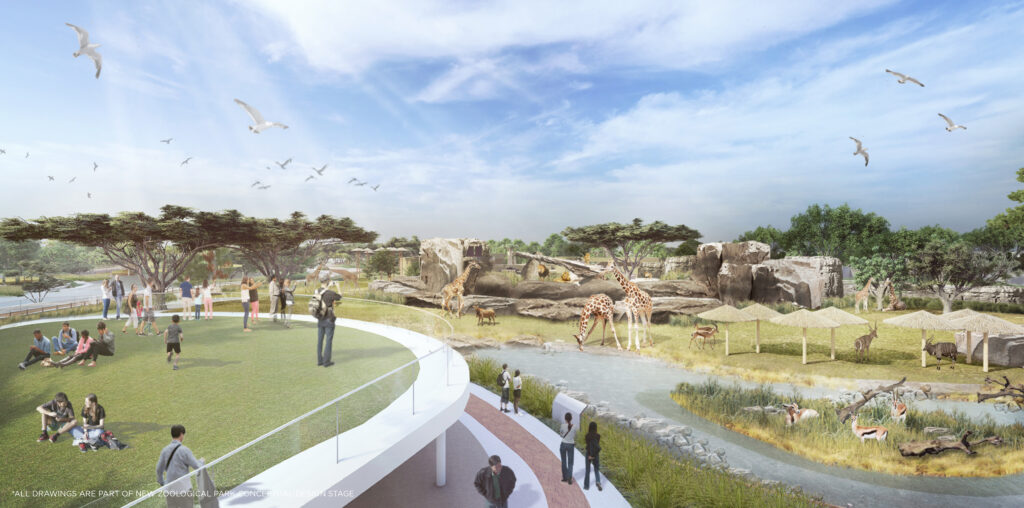
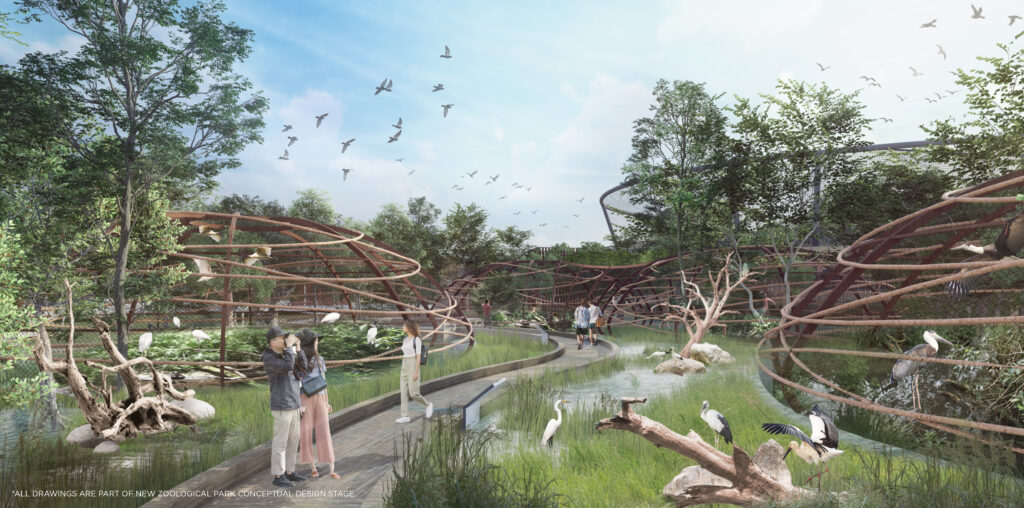
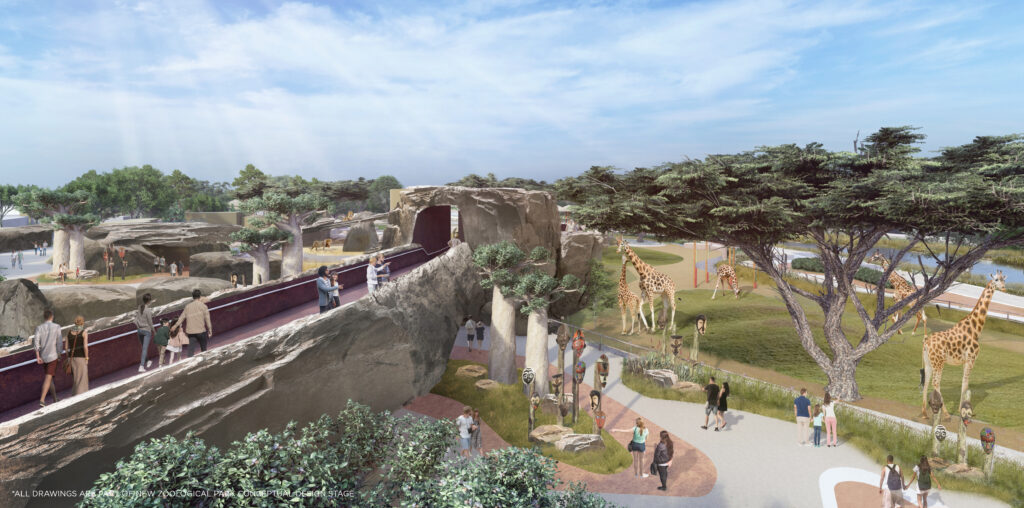
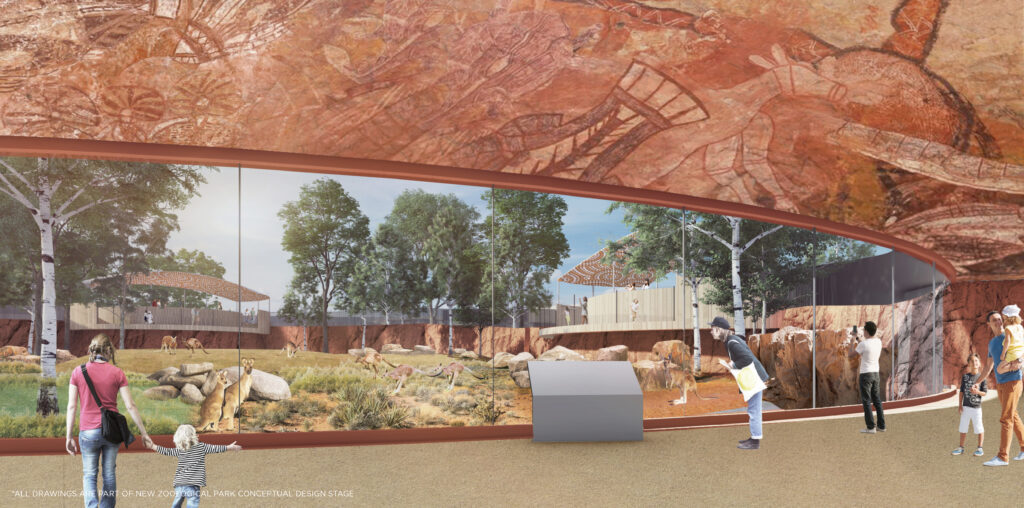
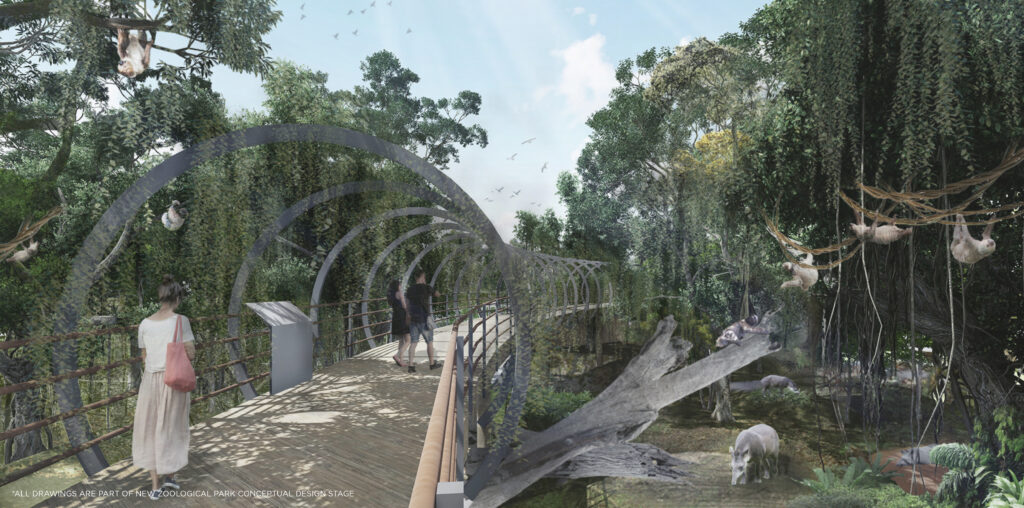
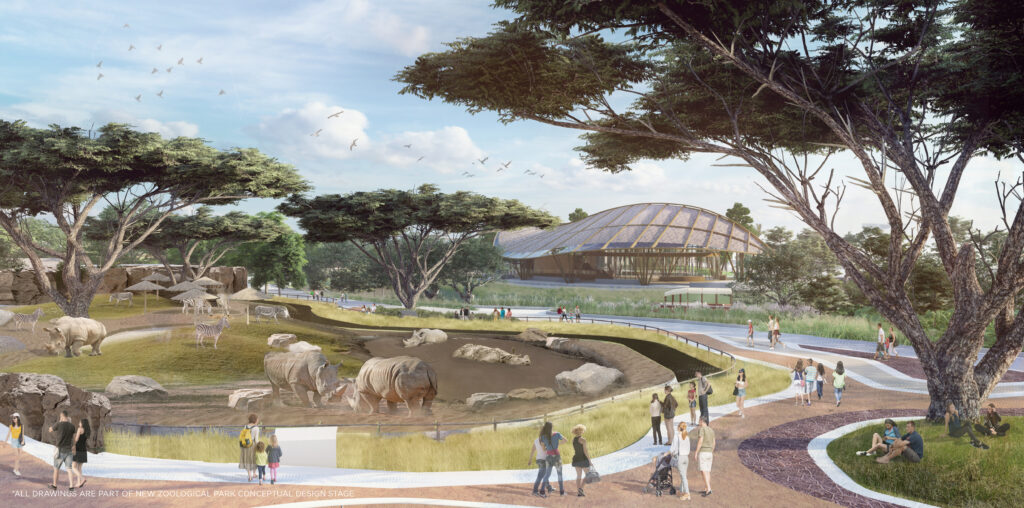
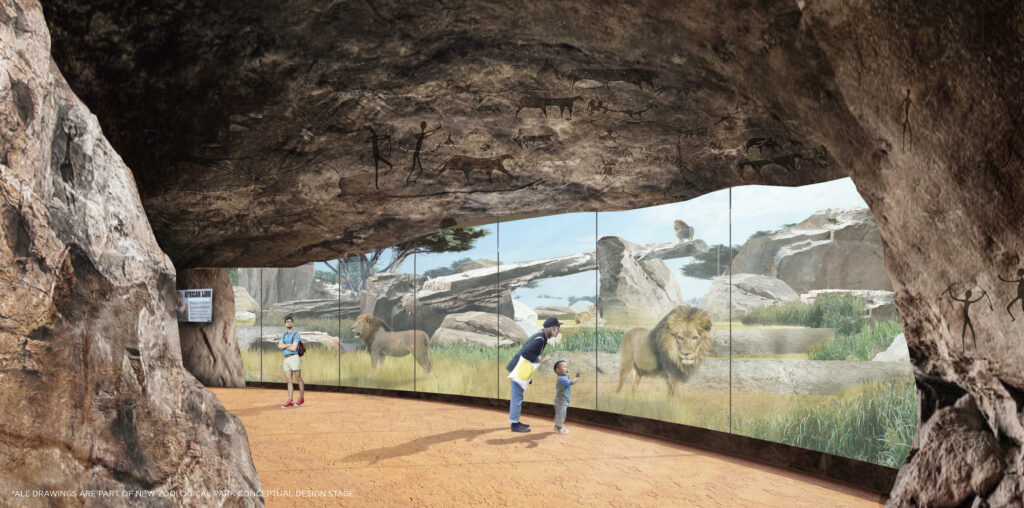
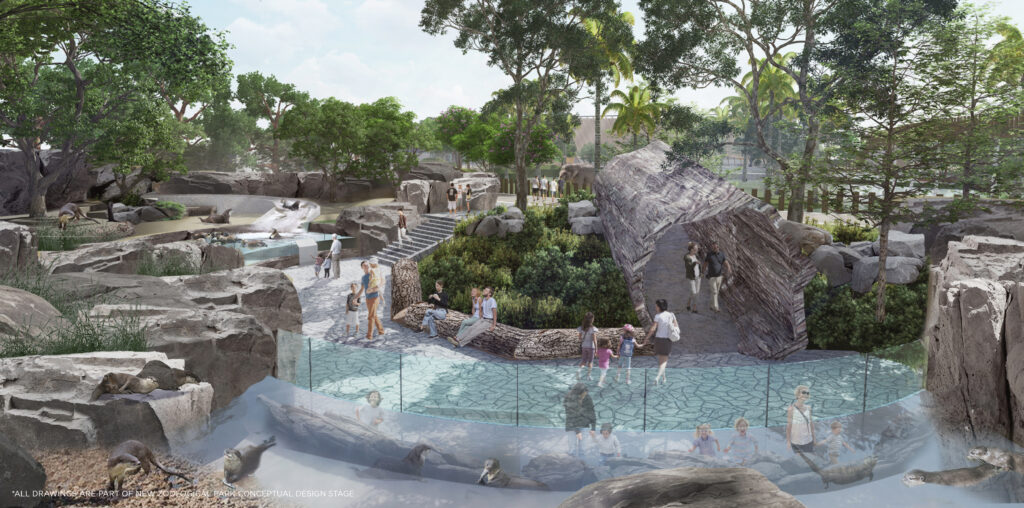
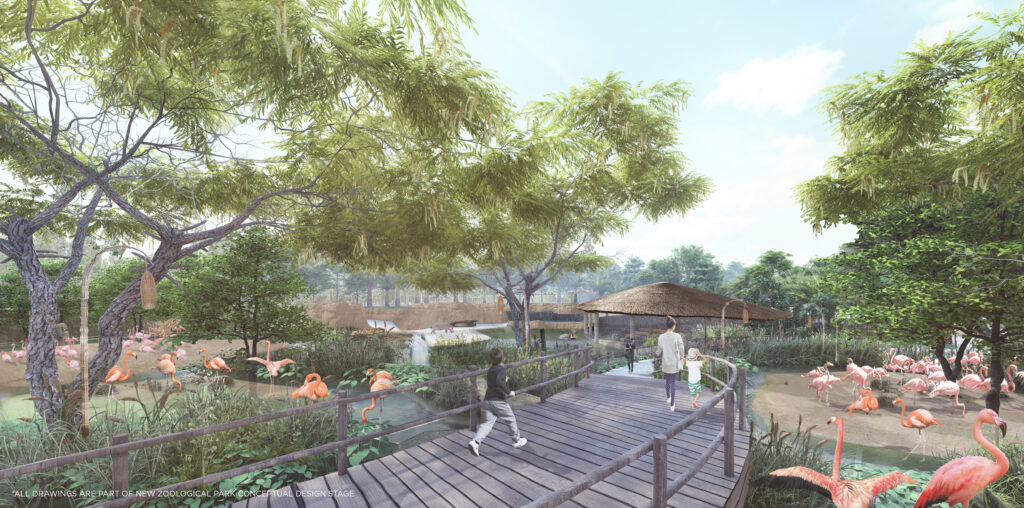
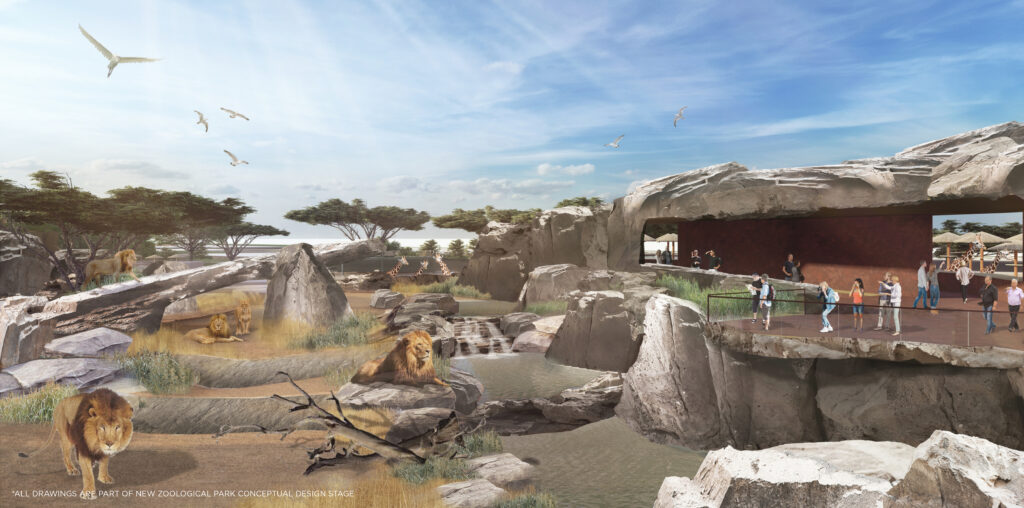
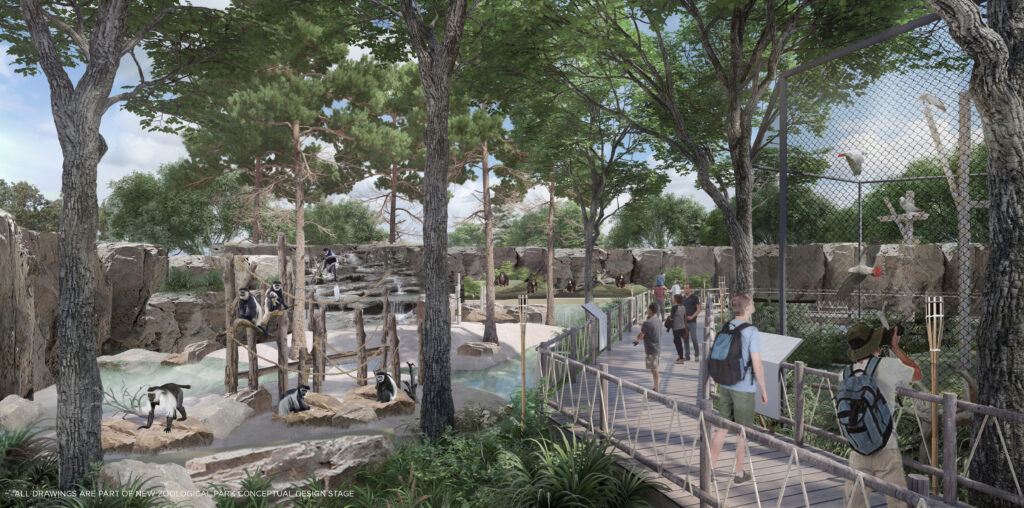
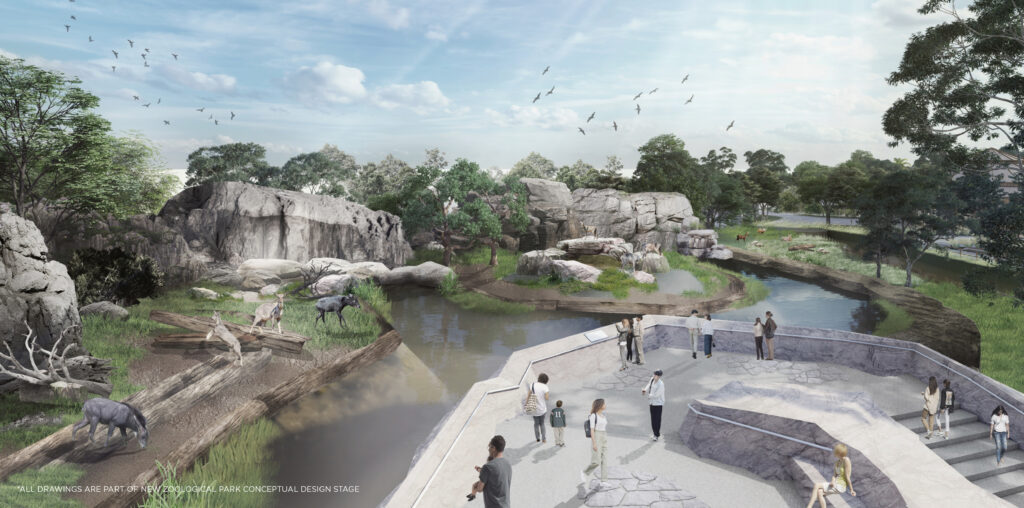
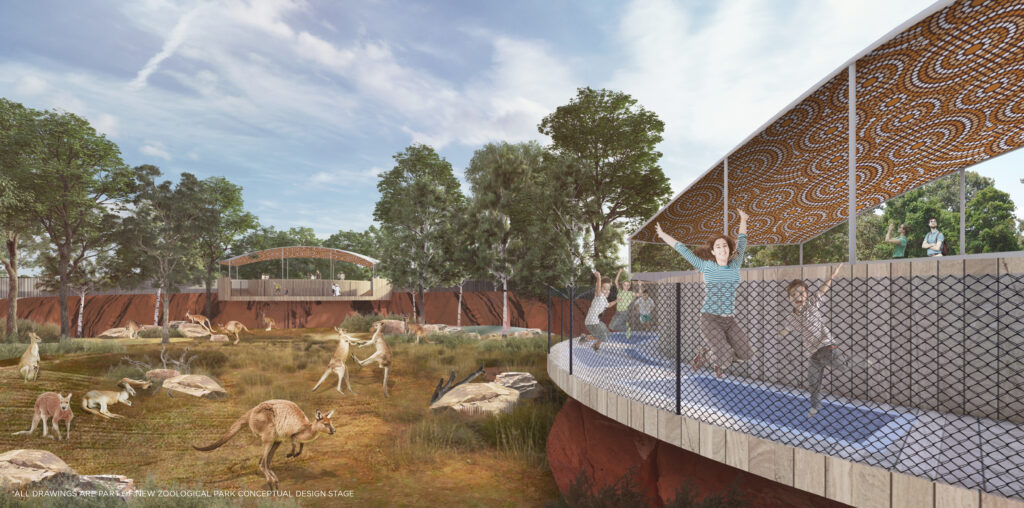
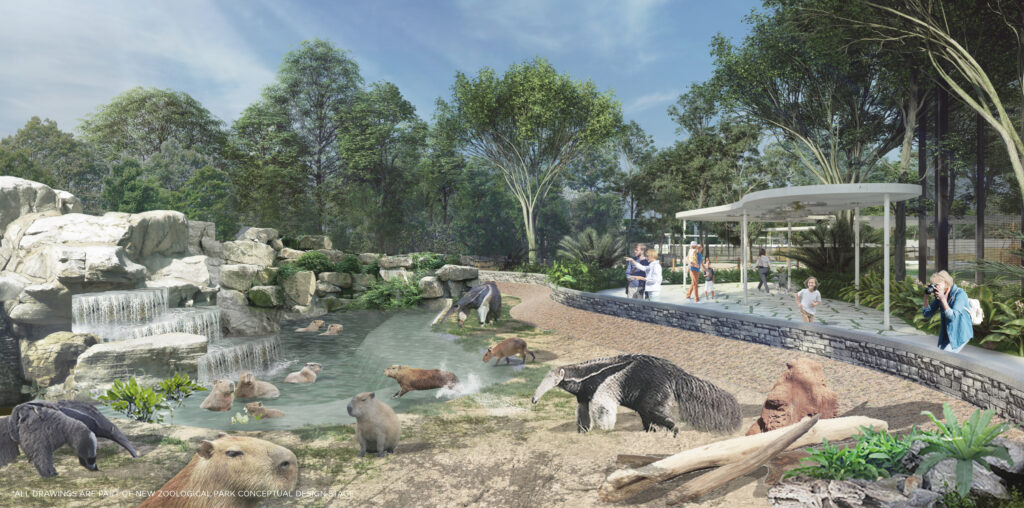
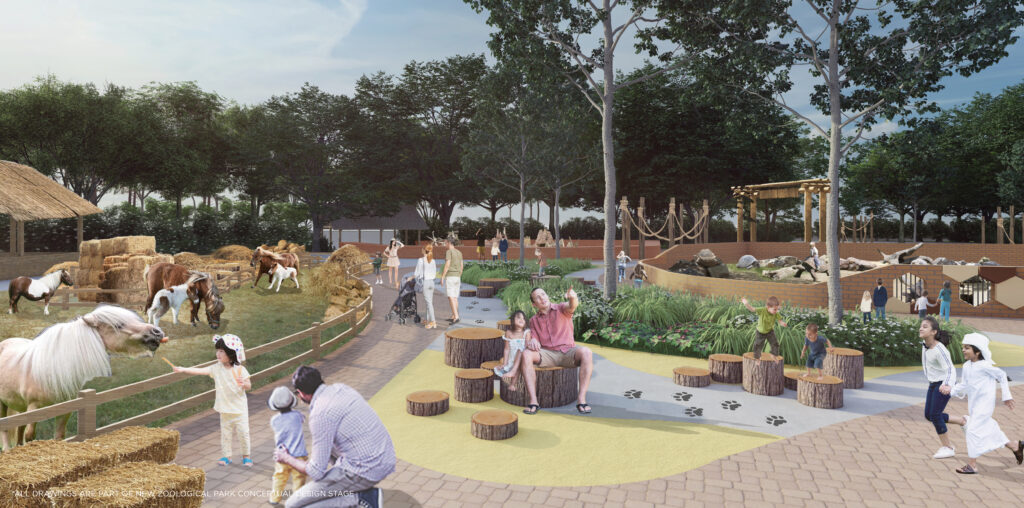
introduces a natural-friendly exhibition for both animals and visitors, where enclosures and surrounding environments are fused and designed as one uninterrupted atmosphere. It simulates mixed species of animals and their wild living in each habitat. The integration allows a new immersive experience for the visitors while maintaining high living quality for the animals
introduces a natural-friendly exhibition for both animals and visitors, where enclosures and surrounding environments are fused and designed as one uninterrupted atmosphere. It simulates mixed species of animals and their wild living in each habitat. The integration allows a new immersive experience for the visitors while maintaining high living quality for the animals
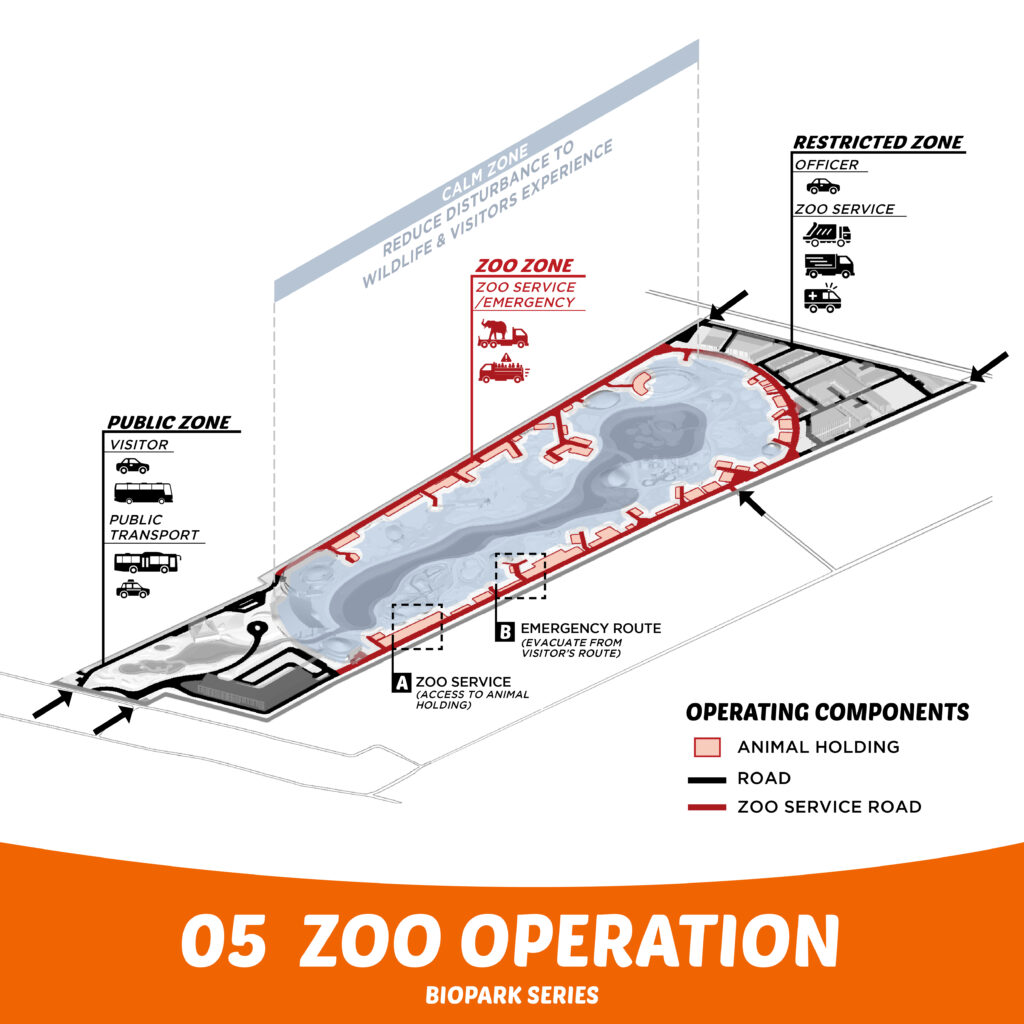
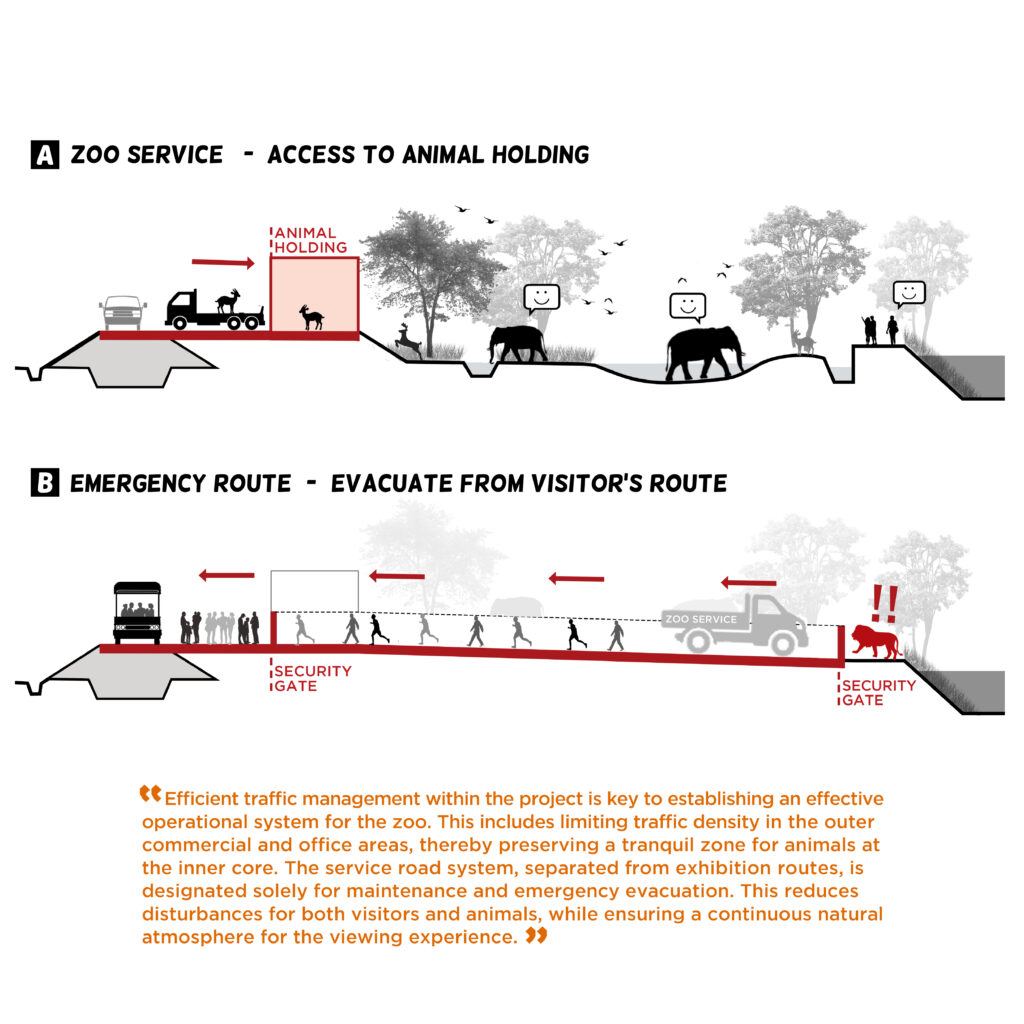
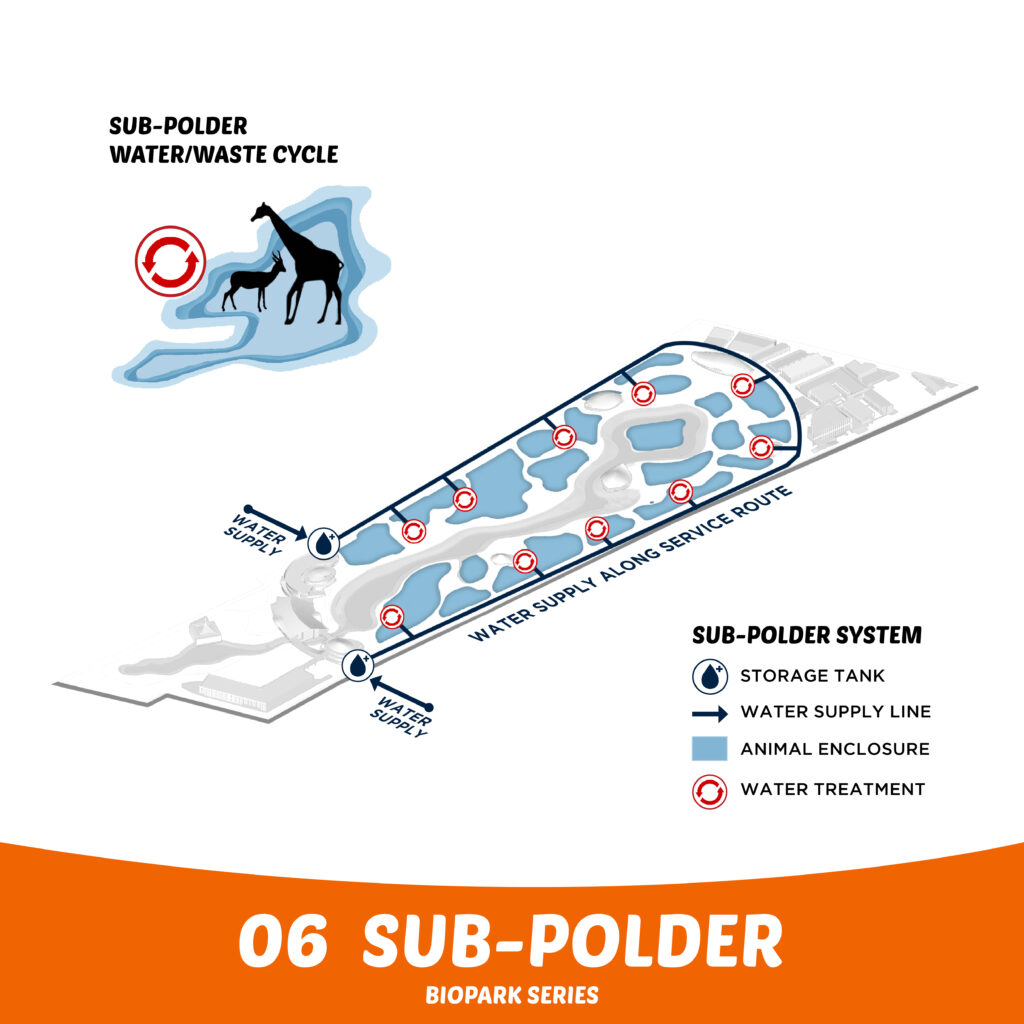
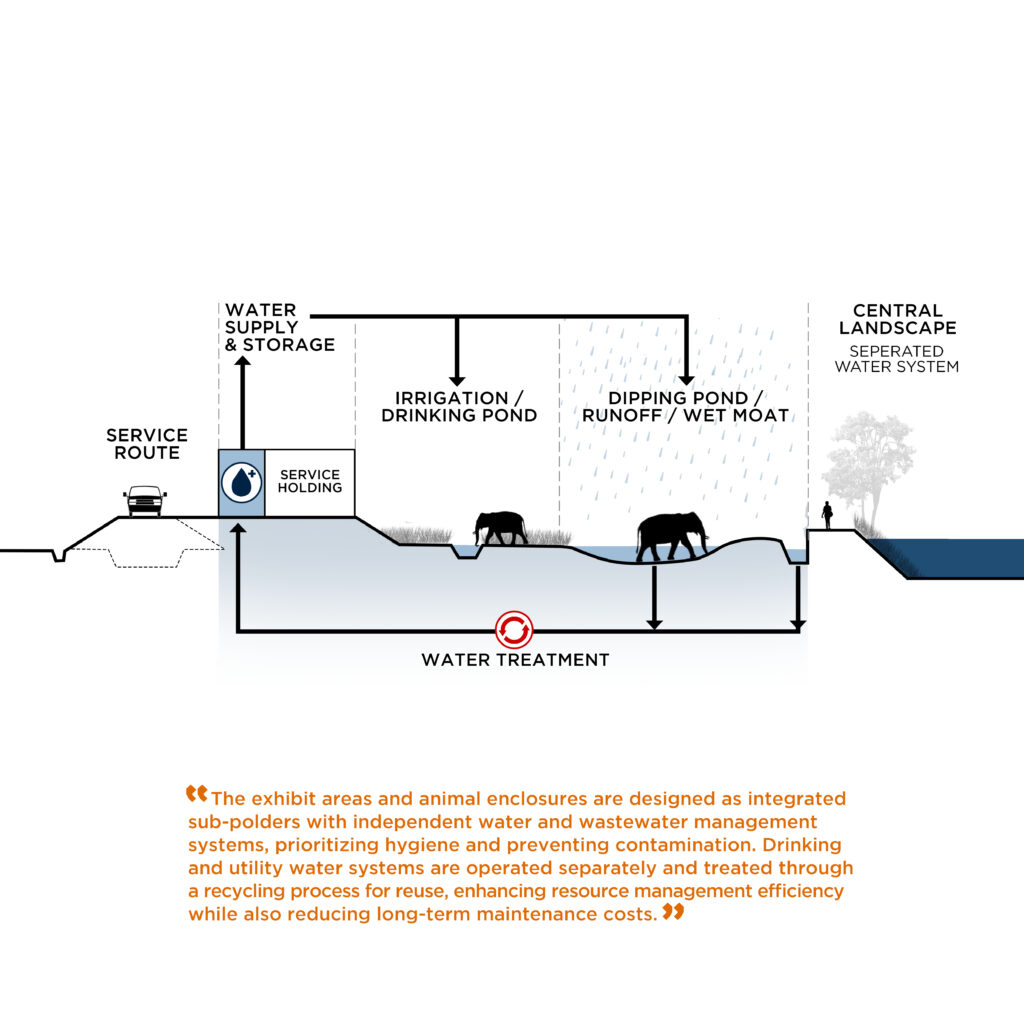
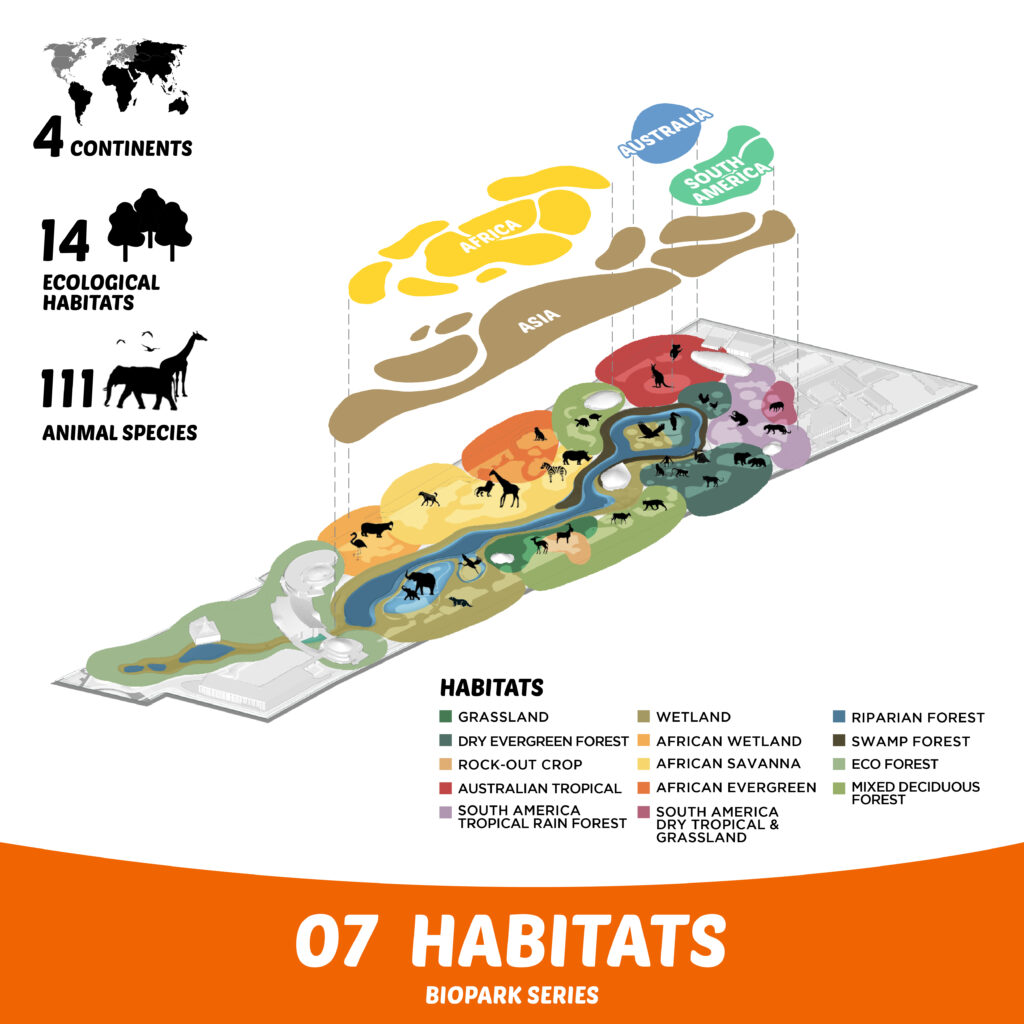
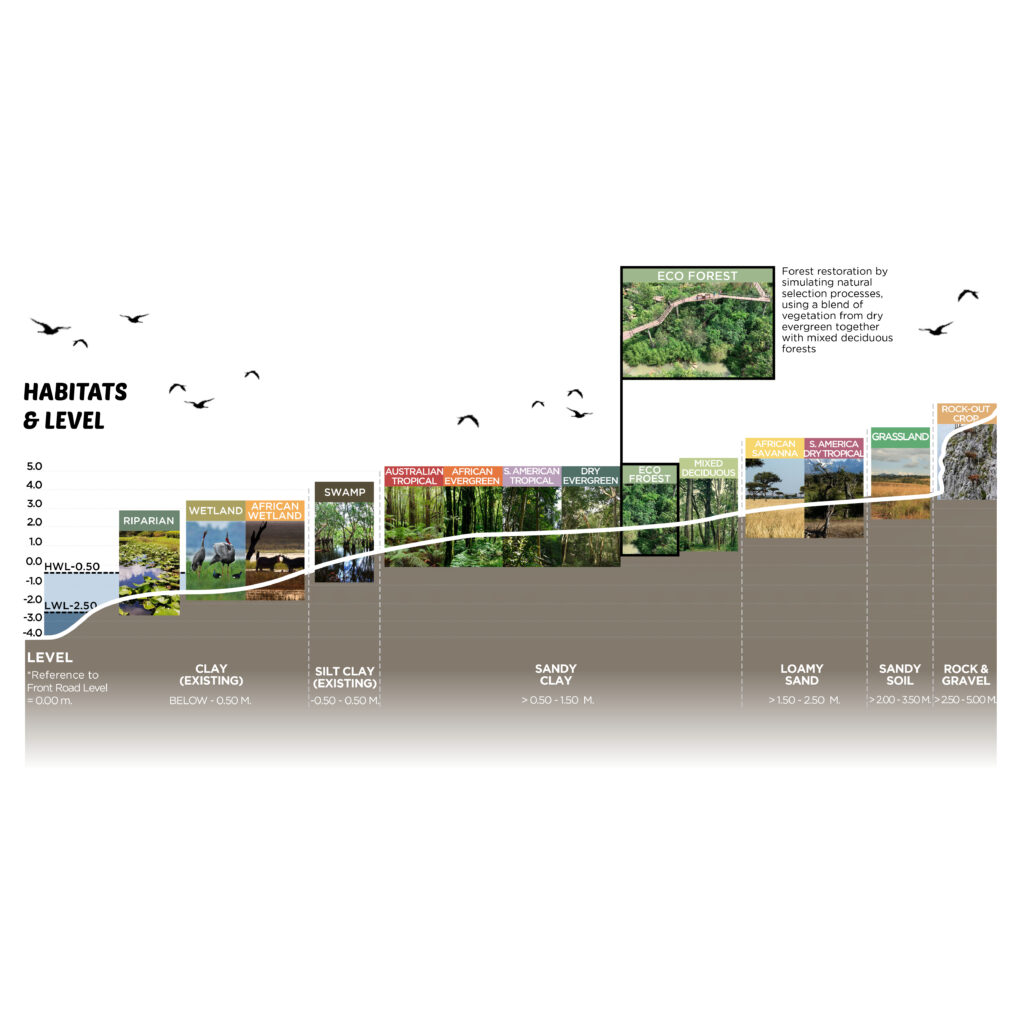
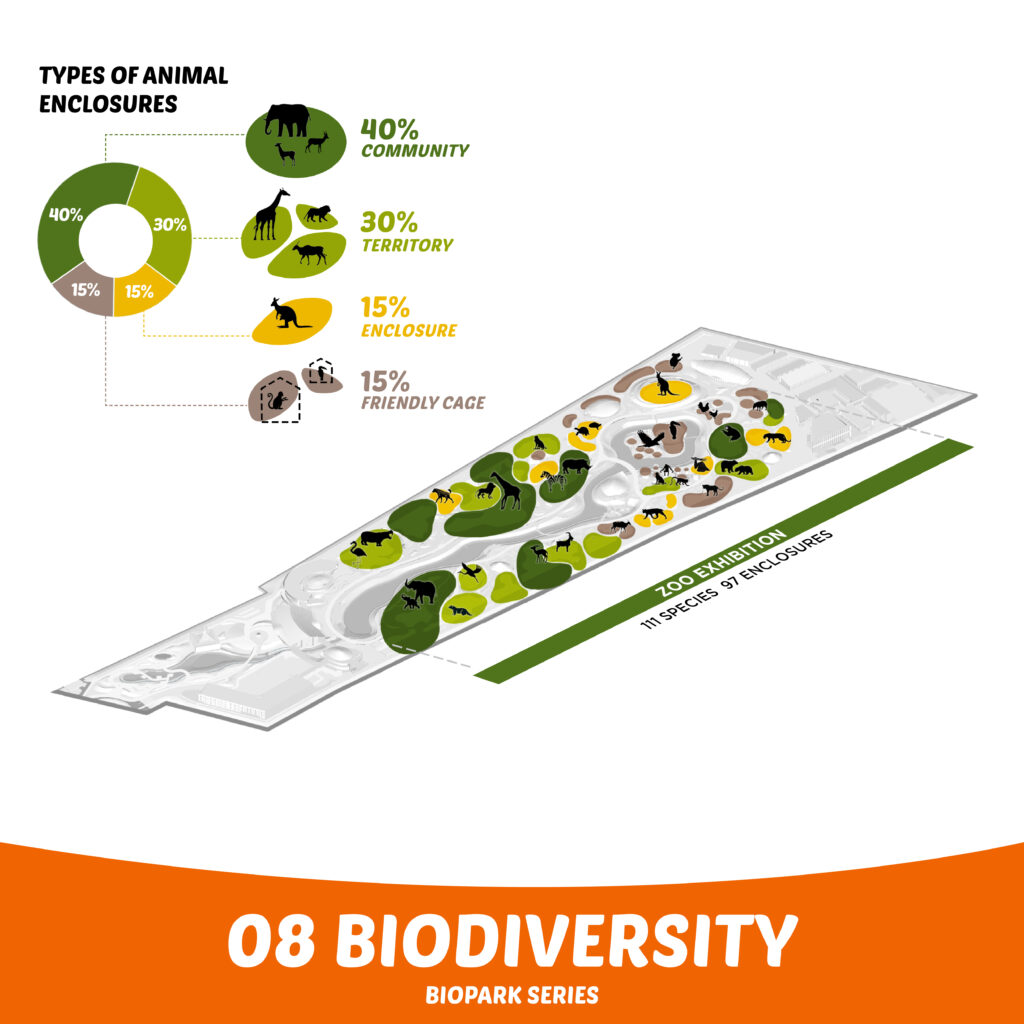
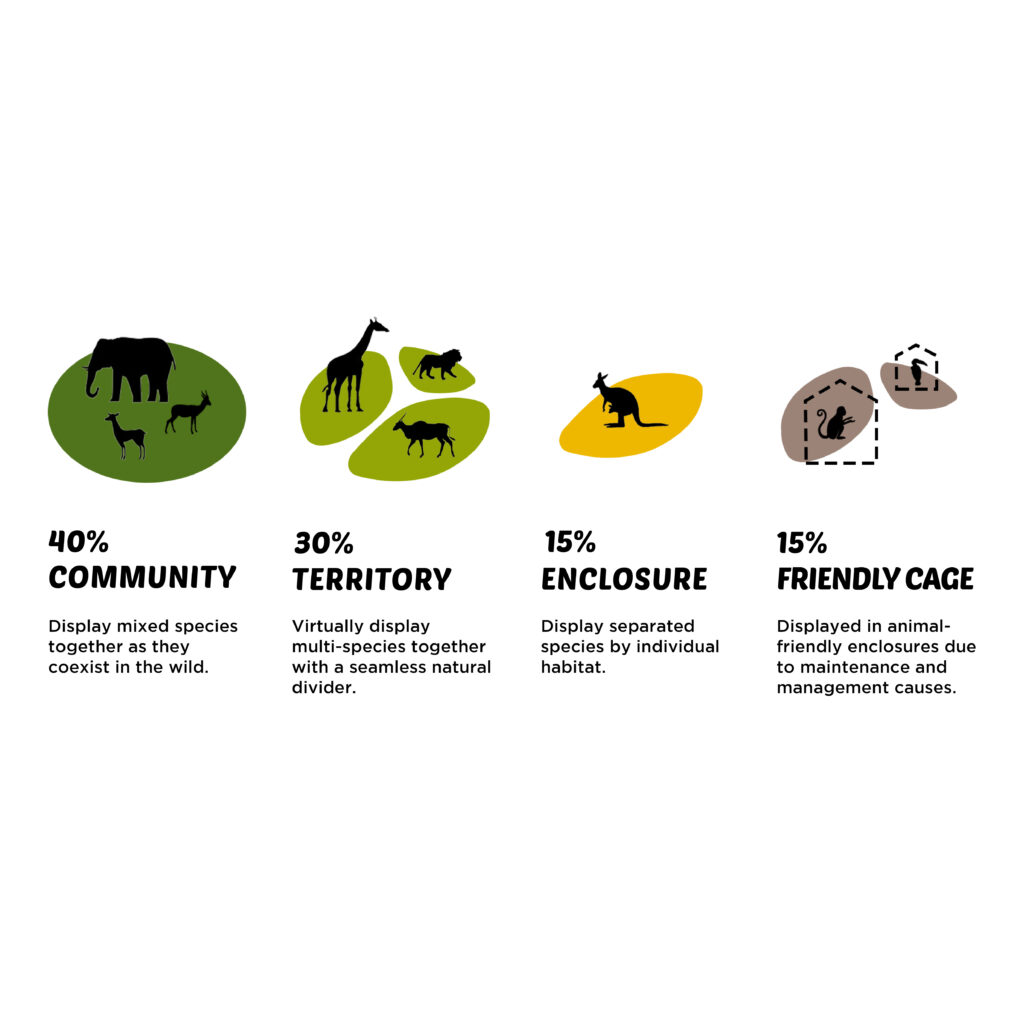
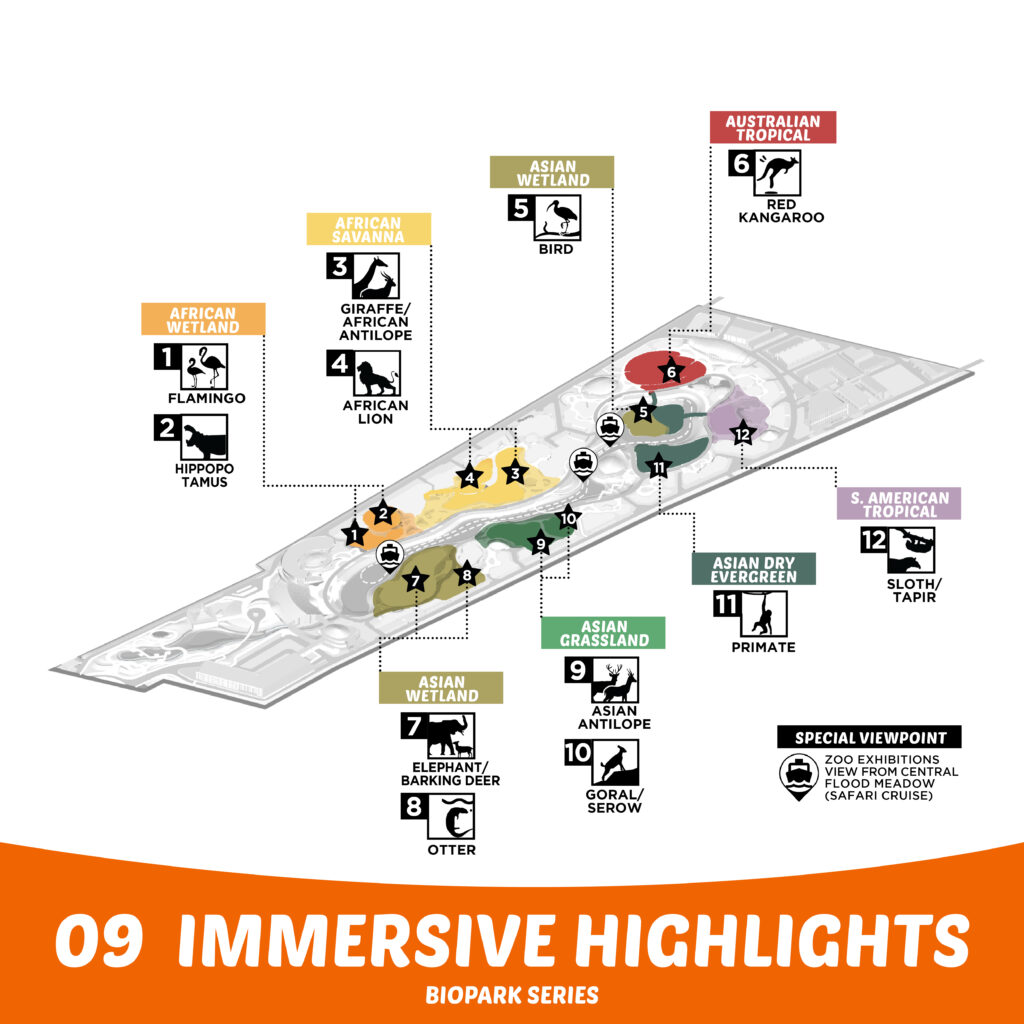
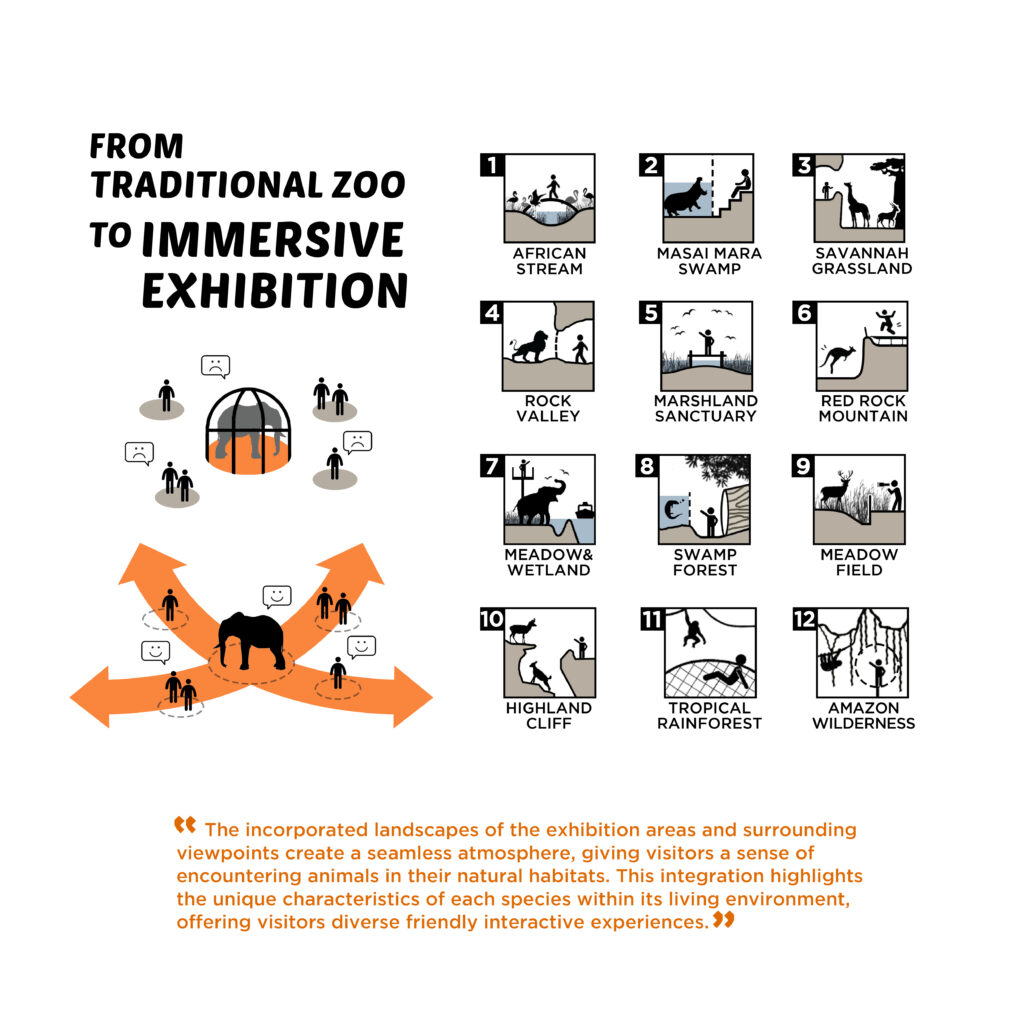
Dusit Zoo was first established in 1898 within the grounds of Dusit Palace, which over time became one of the central urbanized areas of Bangkok. However, the zoo frequently faced criticism due to its limited space and unsuitable location. Concerns were raised over overcrowding, the size and standards of enclosures, as well as noise and air pollution from the surrounding city. The zoo was often perceived as being underdeveloped, with insufficient emphasis on animal welfare.
In 2018, Dusit Zoo began a new chapter by relocating to a suburban area with greater potential for development and a healthier environment. The new zoo project aims to represent a more human-animal friendly ecosystem through the design concept of “Biopark”. This concept focuses on recreating the landscapes of diverse natural habitats and enhancing biodiversity within each enclosure. The transformation aims to provide visitors with seamless zoo experience as if visiting the animals in their natural homes, fostering friendly and respectful interactions, and ensuring healthy animal welfare.
- Living Museum -
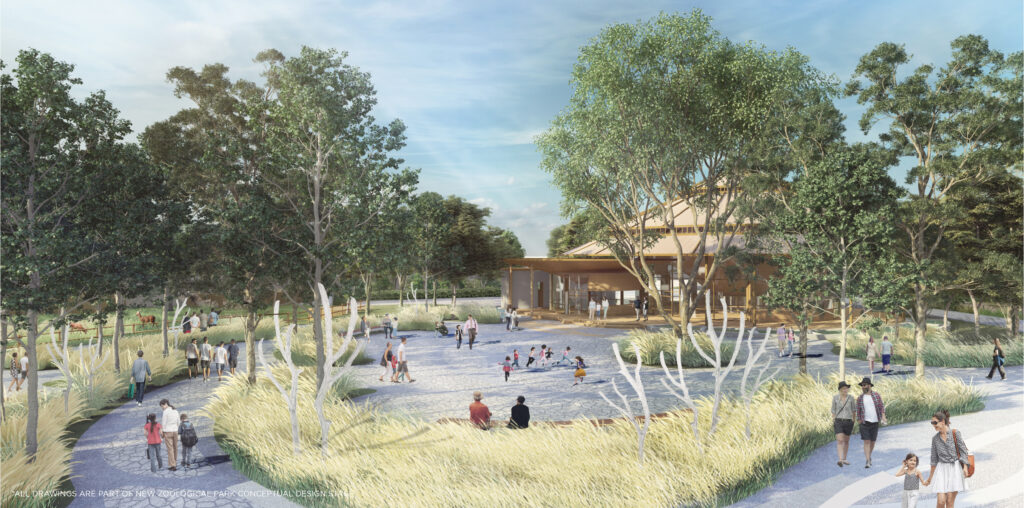
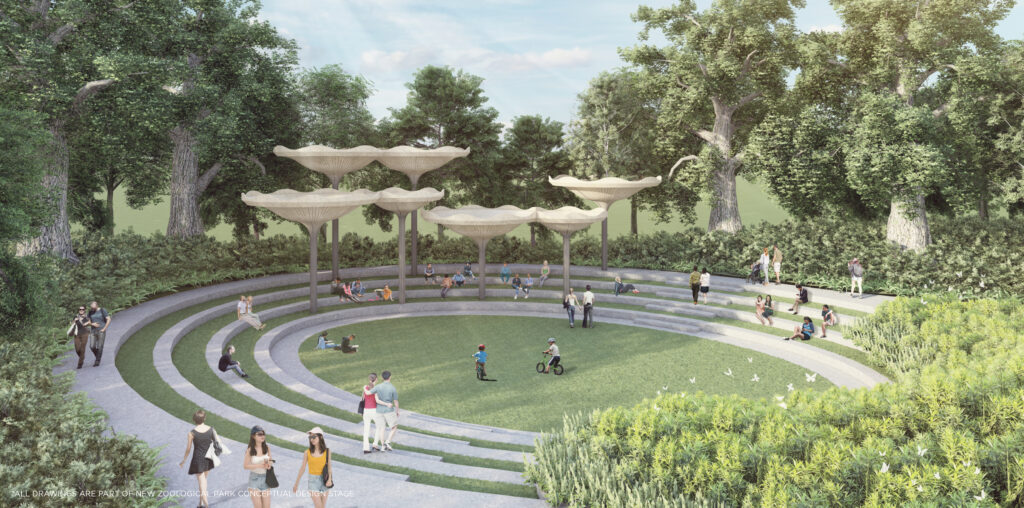
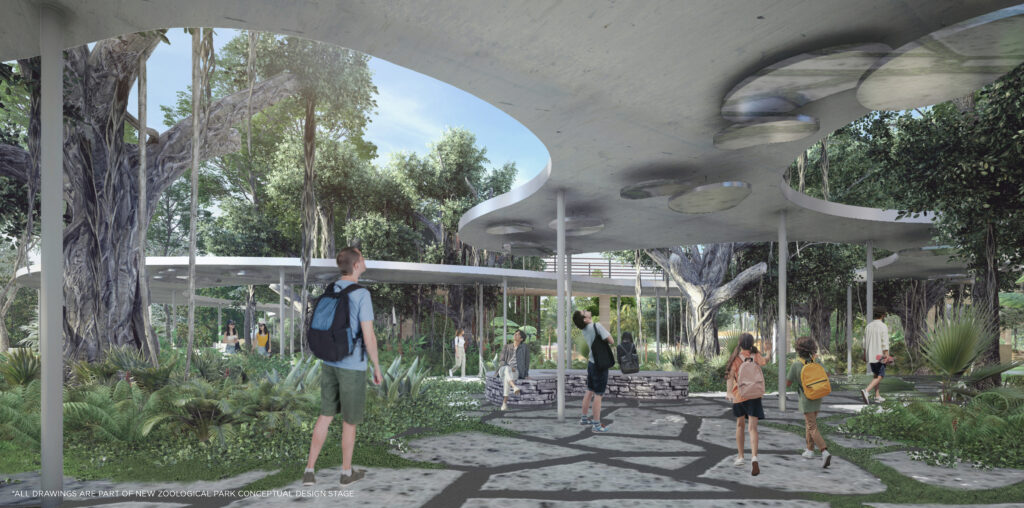
positions the project to be an environmental educational centre, promoting multi-roles of green and blue lifestyles blended with daily recreational uses, zoo experiences, and attractions, with the focus to build resilience growth through living, learning and understanding nature
positions the project to be an environmental educational centre, promoting multi-roles of green and blue lifestyles blended with daily recreational uses, zoo experiences, and attractions, with the focus to build resilience growth through living, learning and understanding nature
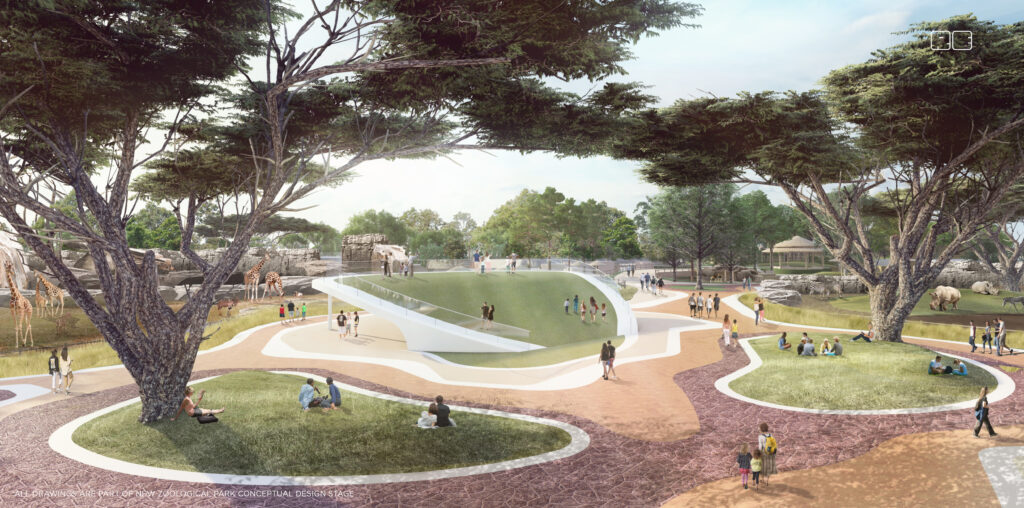
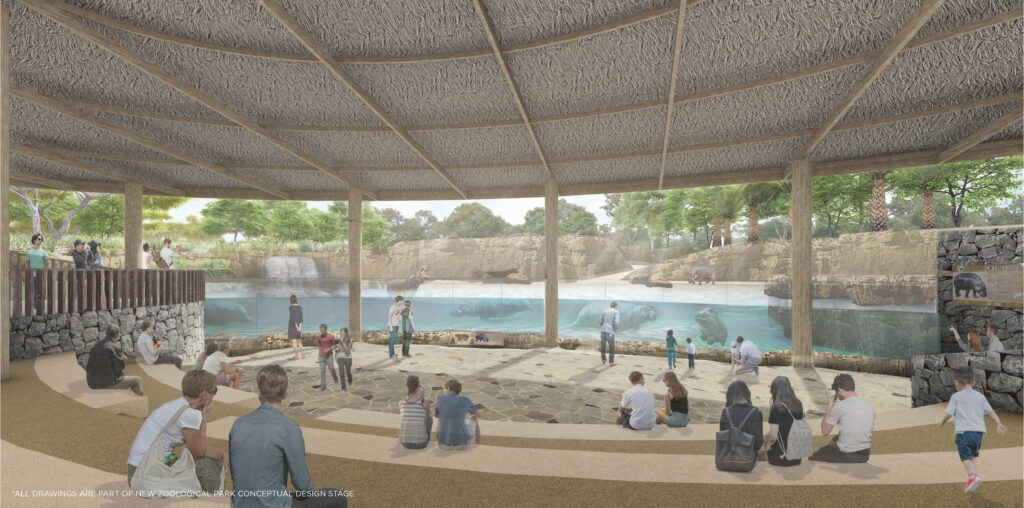
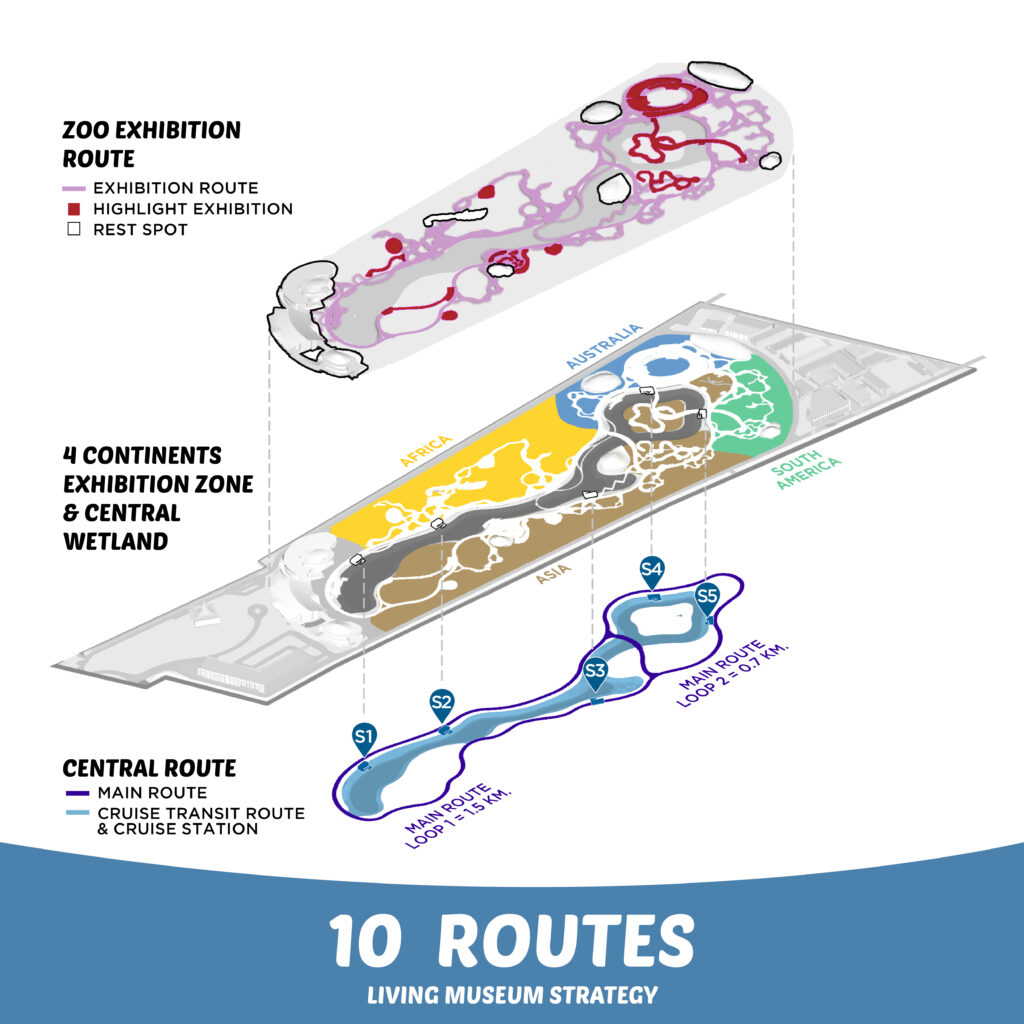
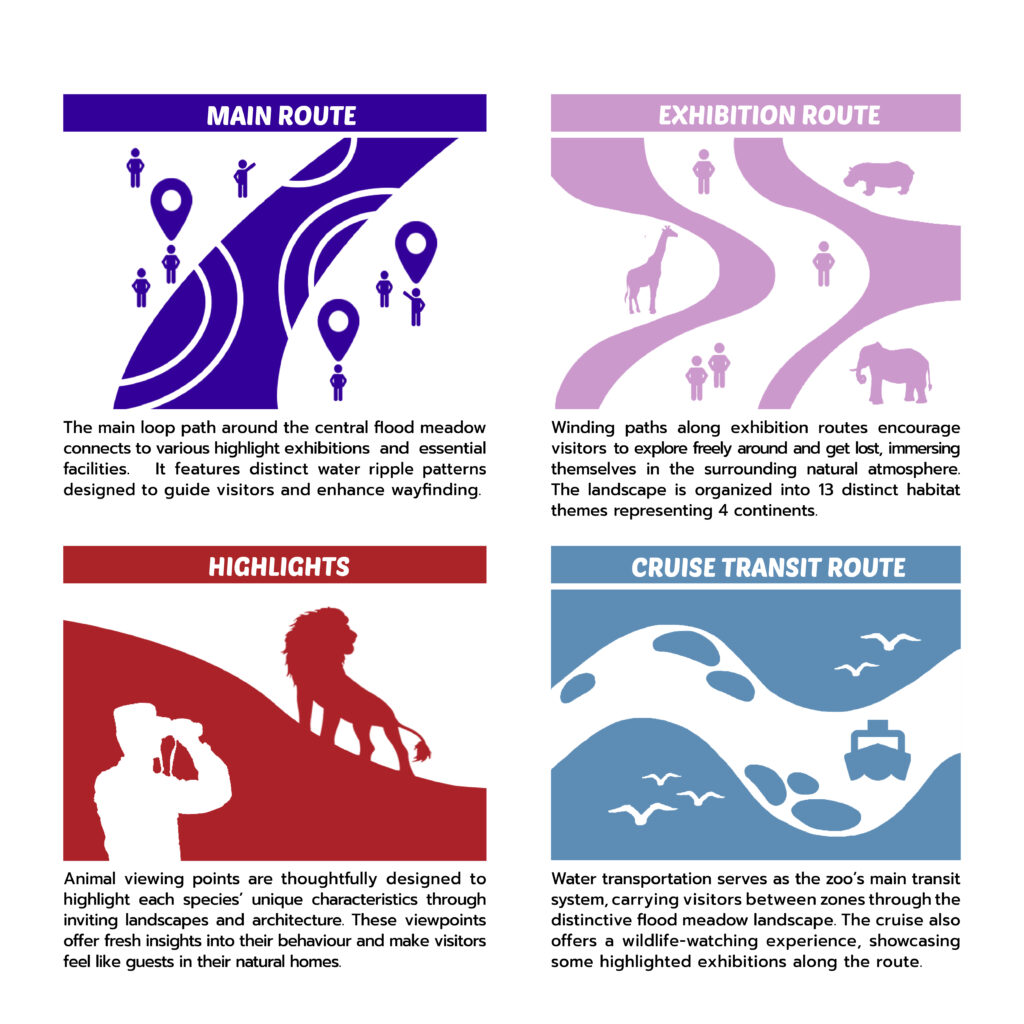
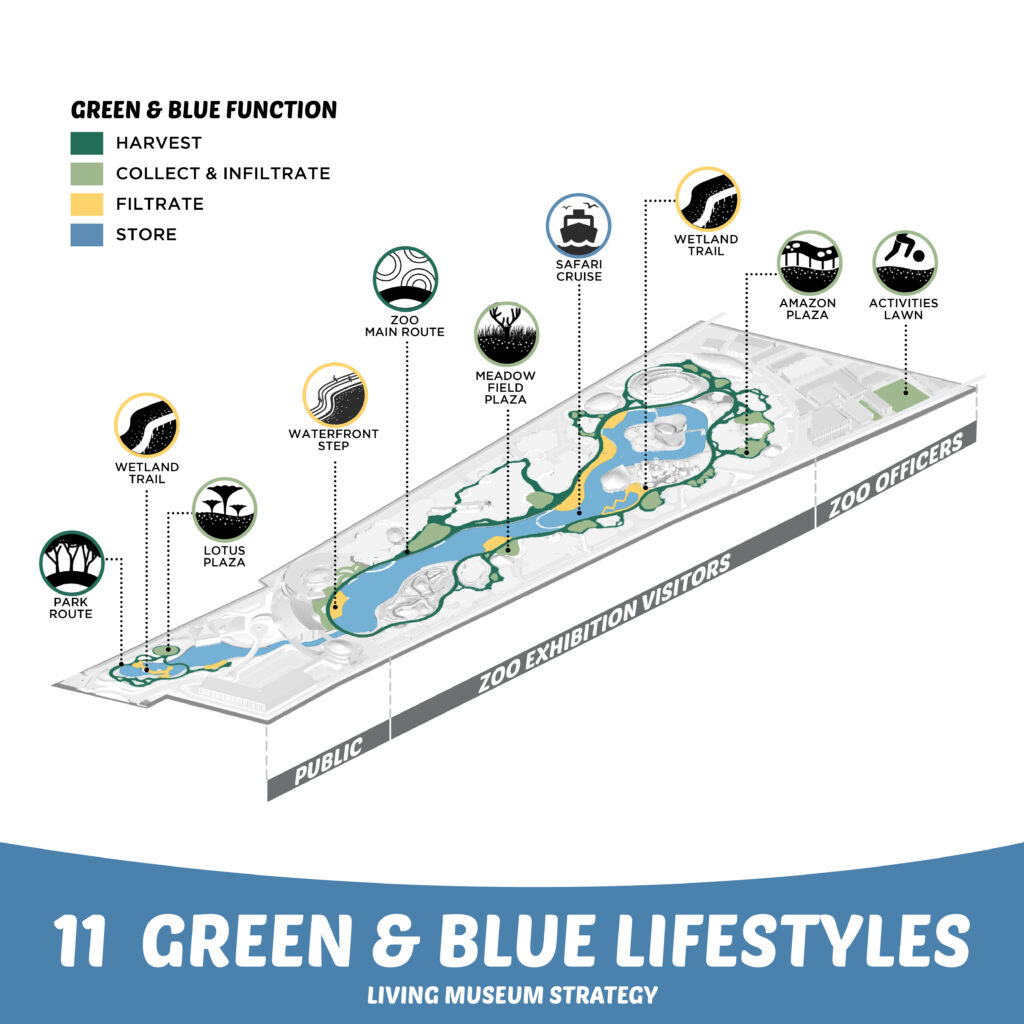
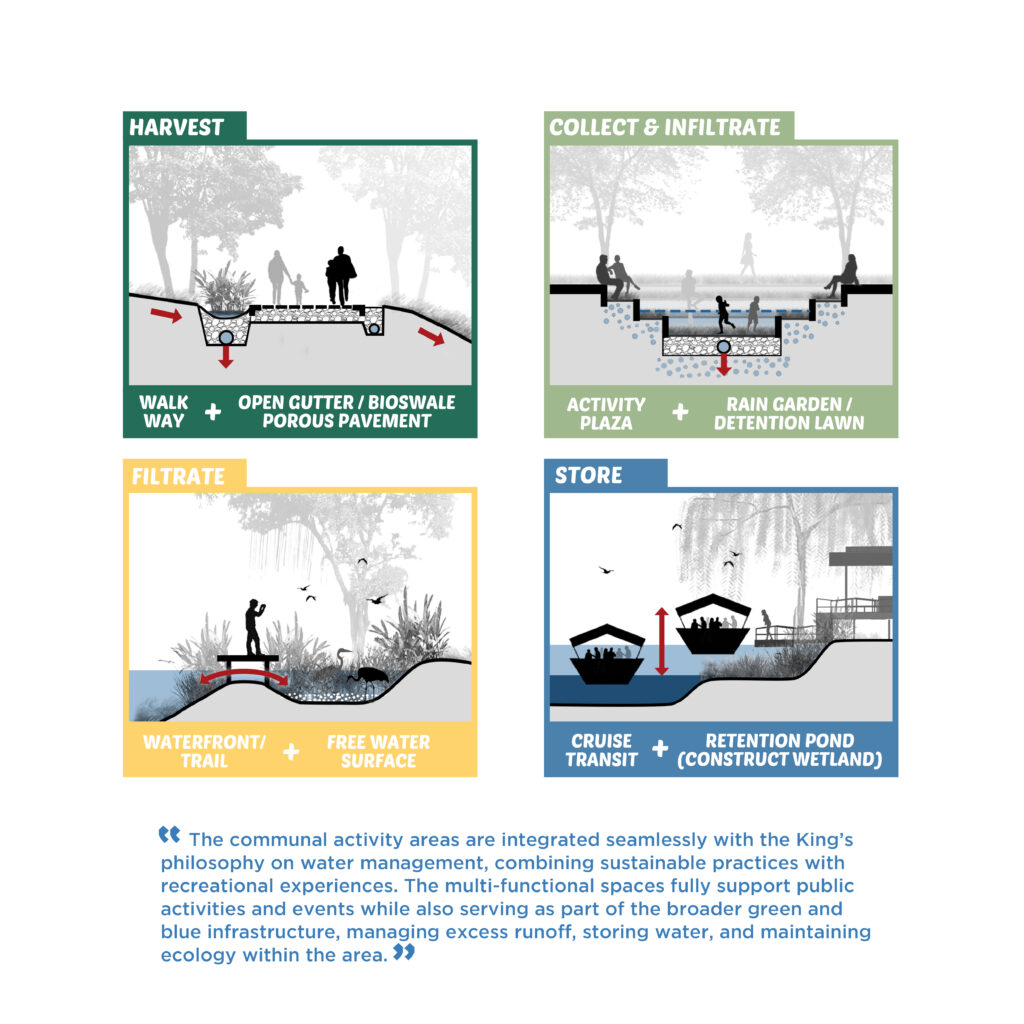
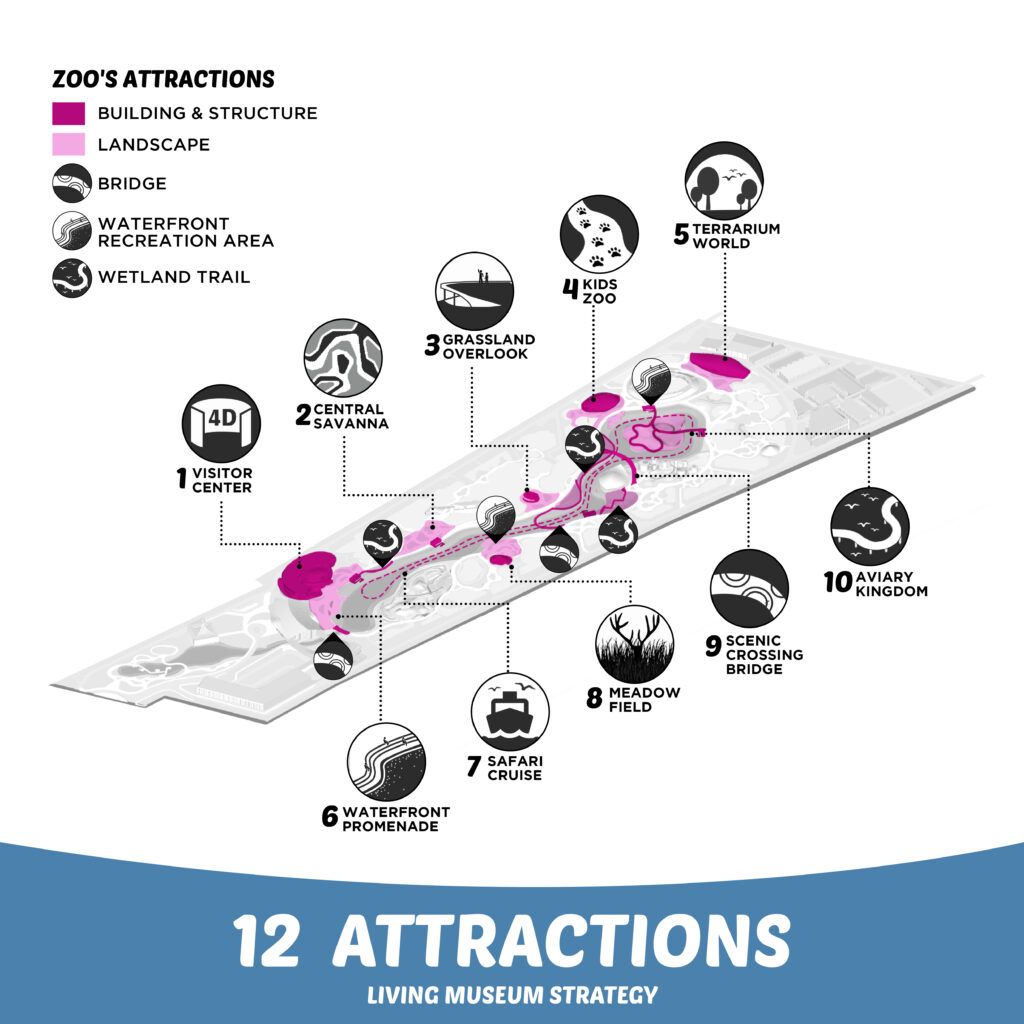
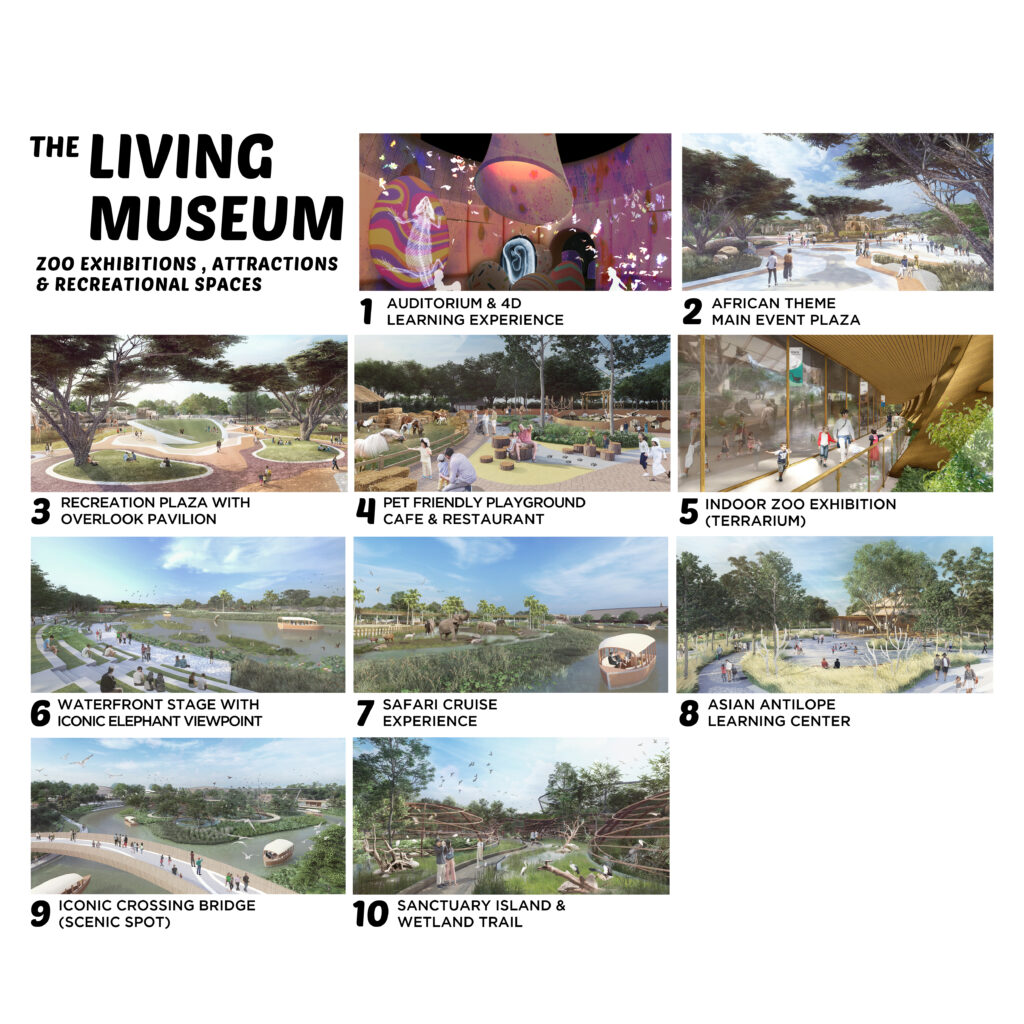
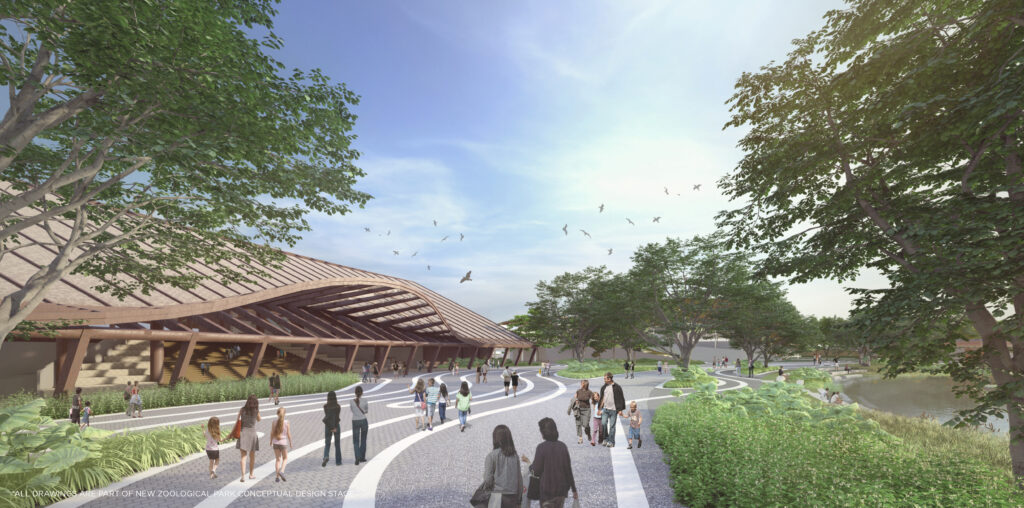
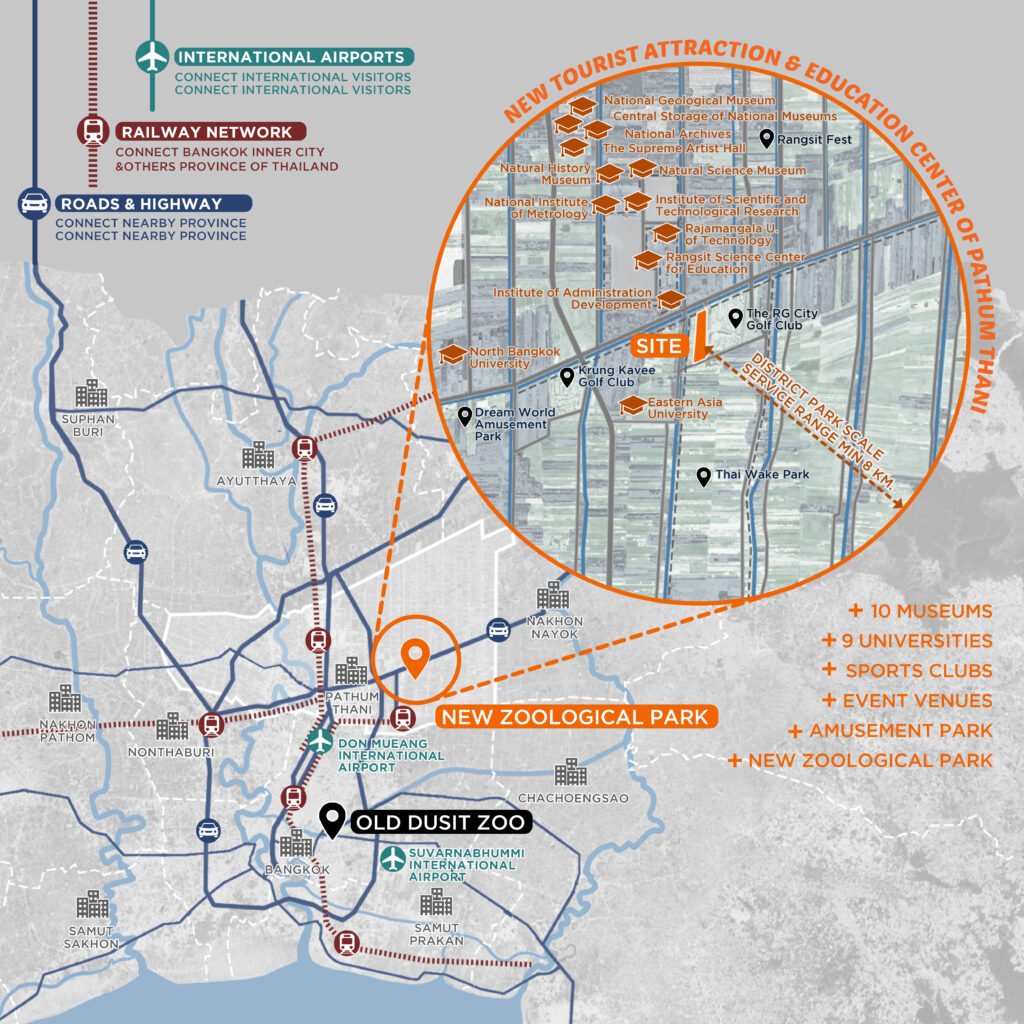
Beyond its role as the national zoo and its contribution to the local economy through international tourism, the new zoo, now the largest green space in the province, is also designed to enhance the quality of life for local residents through both recreation and education. Established as a Living Museum, the zoo collaborates with more than ten educational institutions and museums, forming a central learning hub for Pathum Thani.
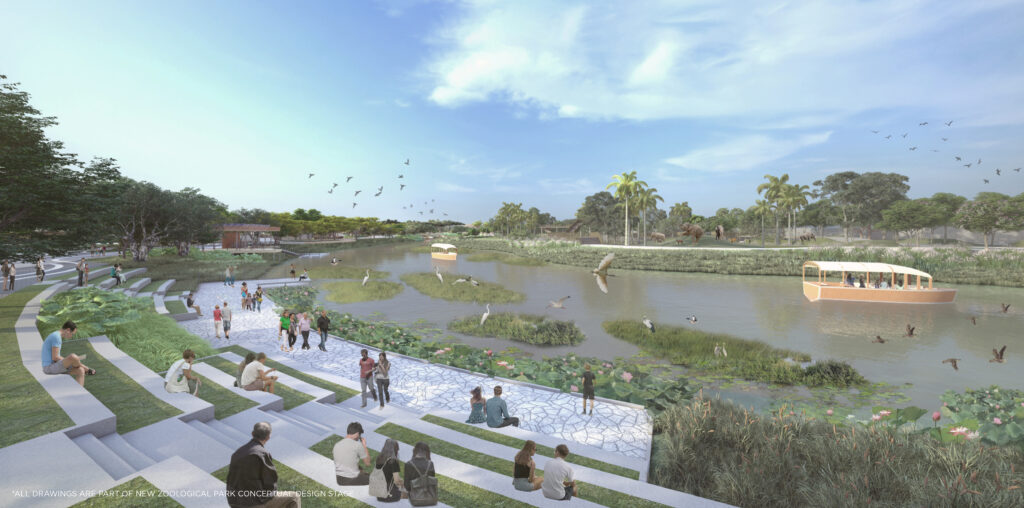
The destination emphasizes a lifestyle in harmony with nature, offering attractions that combine zoo tourism with everyday recreational spaces. Its landscape design incorporates nature-based principles inspired by the King’s Philosophy, promoting ecological interventions that can be seamlessly integrated into daily life and encouraging sustainable growth in understanding how to coexist with nature. In addition, diverse entertainment features provide alternative learning platforms, engaging visitors of all ages.
Privacy Policy
© 2026 REC STUDIO CO., LTD.